BioLogical Interfaces and Sensor Systems

Engineering the Future of Bio-Electronic Interfaces

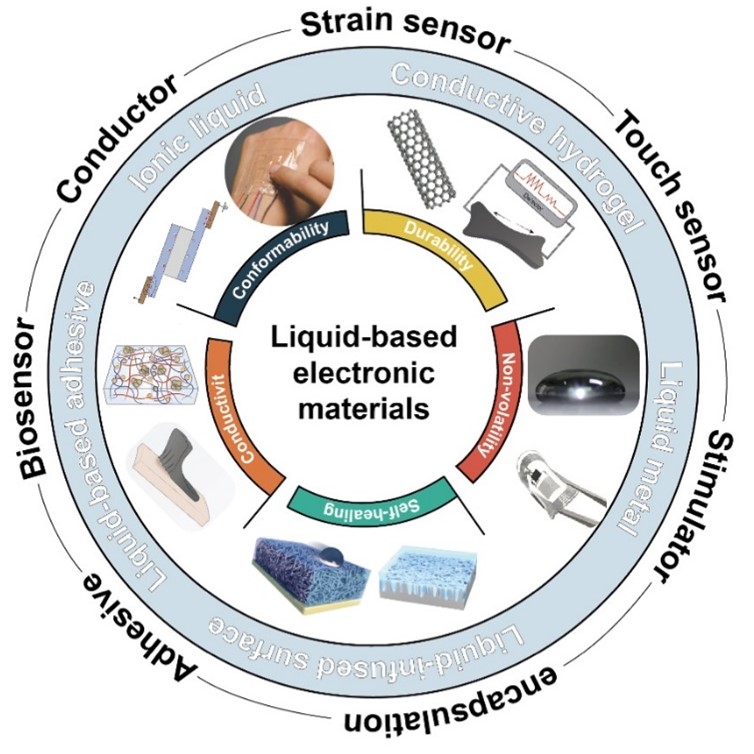
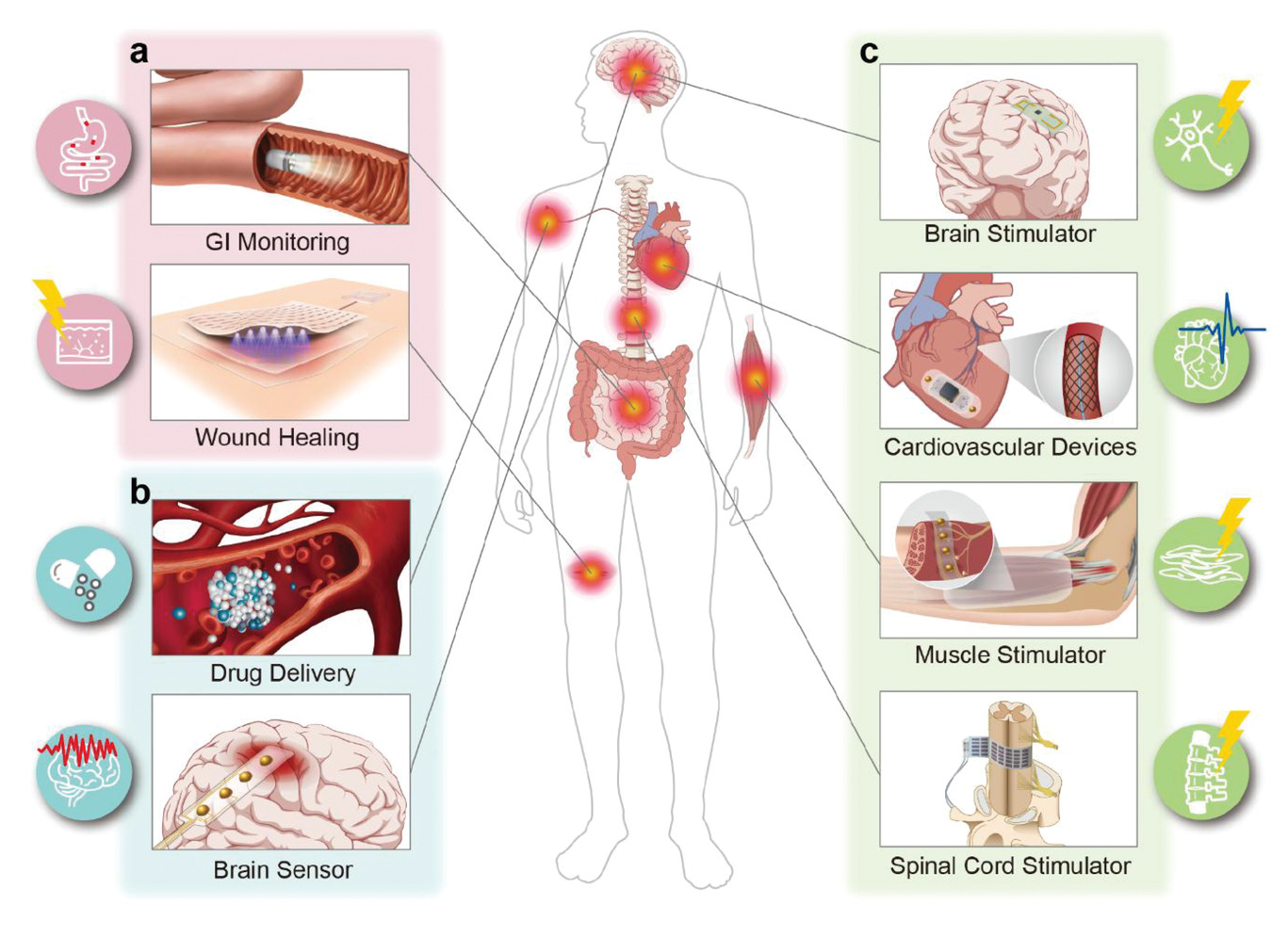
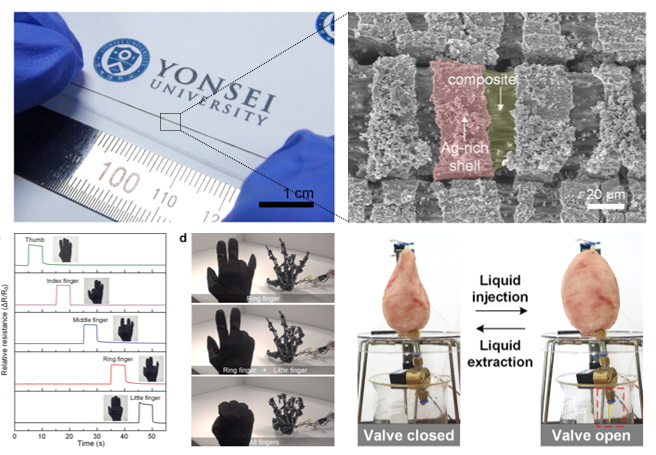
Pioneering soft, adaptive interfacing materials — functional hydrogels, stretchable conductors, bio-adhesives, and device packaging — that seamlessly bridge biology and electronics.

Research Areas

Four pillars bridging biology and electronics at BLISS Lab

Next-Gen Soft Bioelectrode Materials

Rigid metal electrodes shift on skin and lose signal.

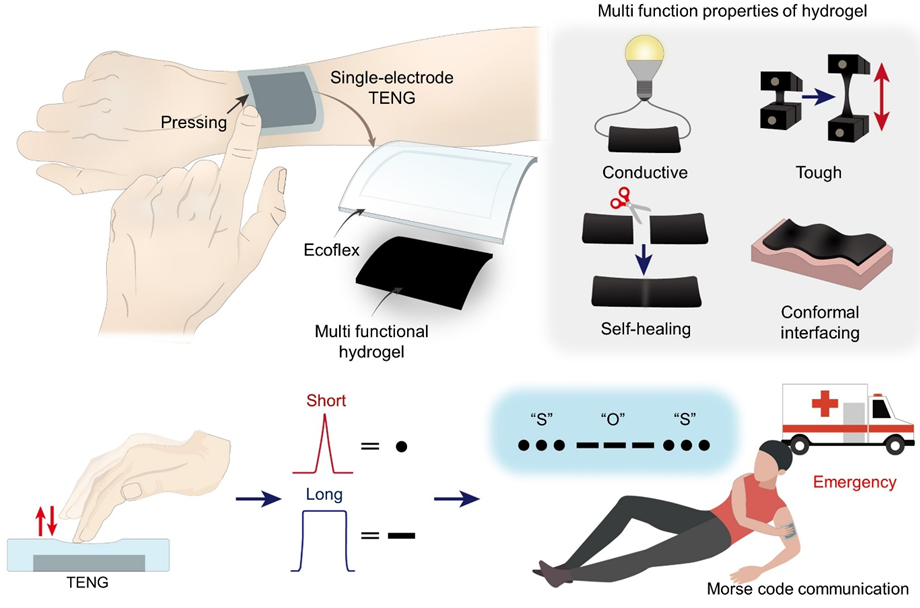
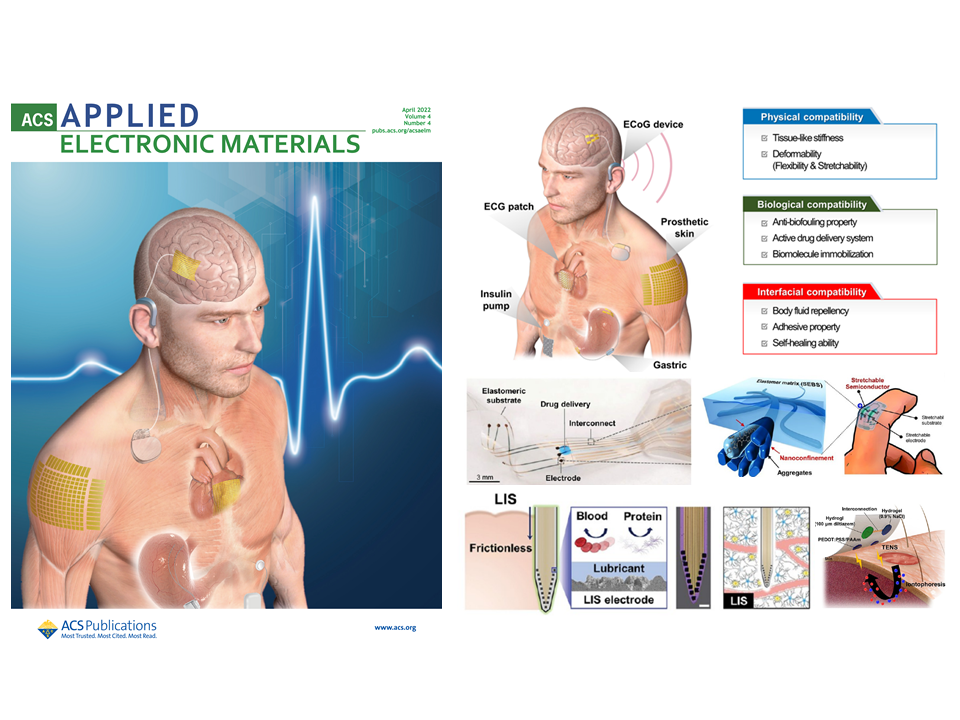
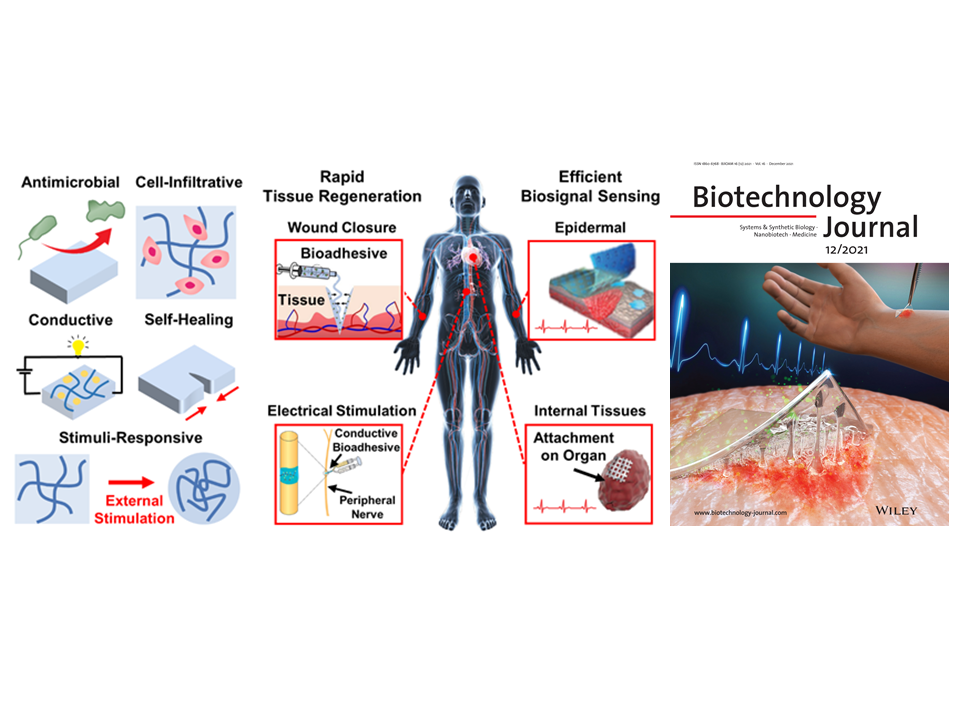
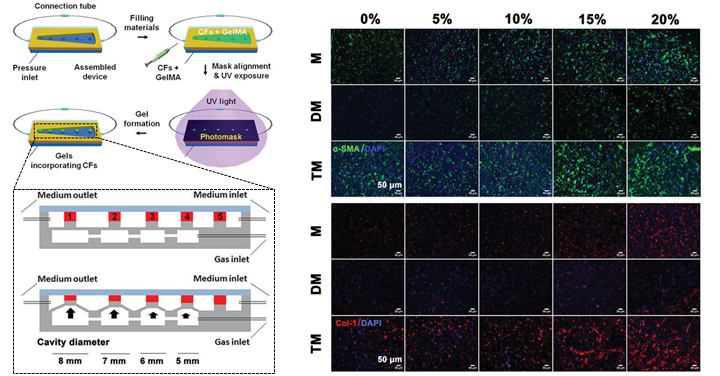
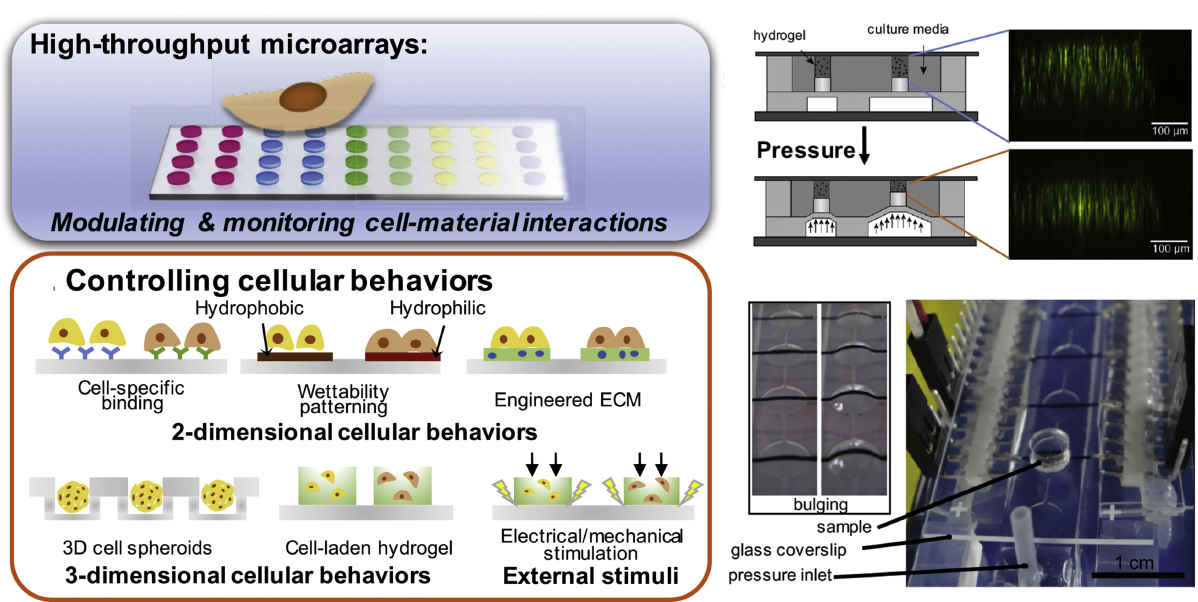
We engineer soft electrodes that conform to living tissue while precisely capturing electrical signals. Built on self-healing hydrogel platforms, they autonomously recover from damage within 30 seconds — enabling uninterrupted long-term monitoring from skin-surface EMG to brain-surface ECoG.

EMG / ECoGSelf-healing electrodeLow impedanceConformableWound care

Bio-Interface Engineering

Even the best sensor is useless if it can't stay reliably attached to the body.

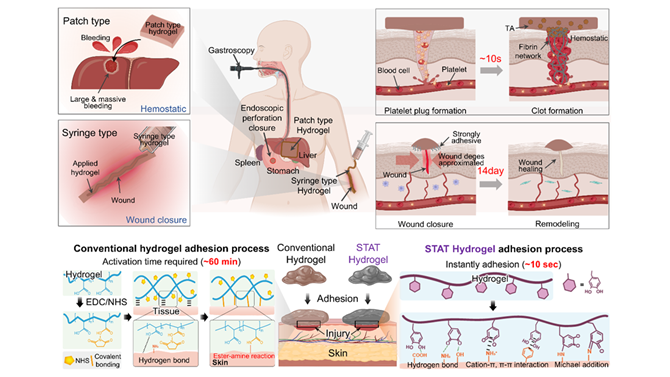
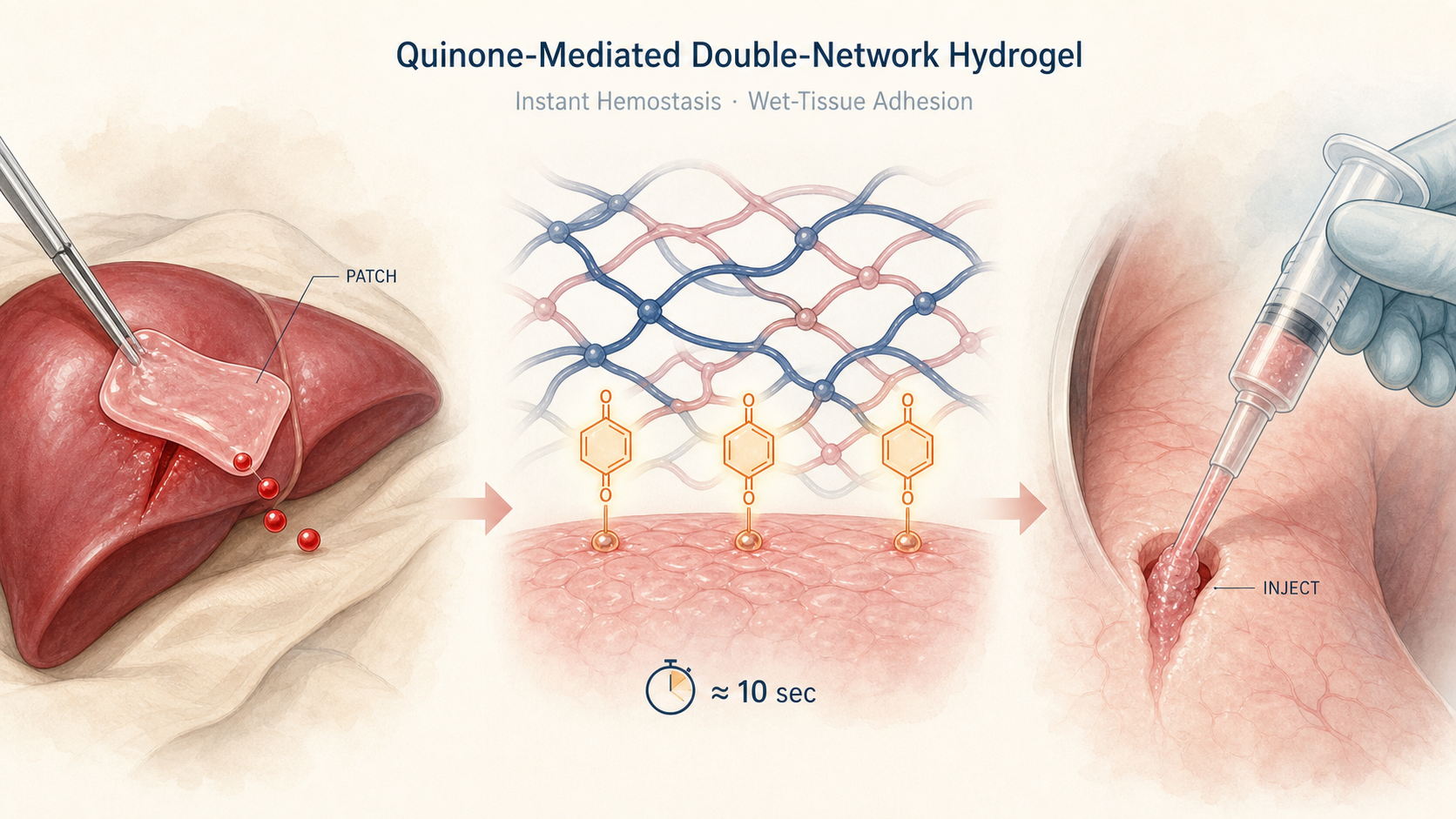
Inspired by mussel underwater adhesion, our bio-adhesive technology securely bonds devices onto skin, organs, and bone. We minimize contact resistance at the sensor-tissue interface while enabling clean detachment on demand — the critical technology determining real-world stability from wearables to surgical biosensors.

Tissue-device bondingMussel-inspiredContact resistanceOn-demand detach

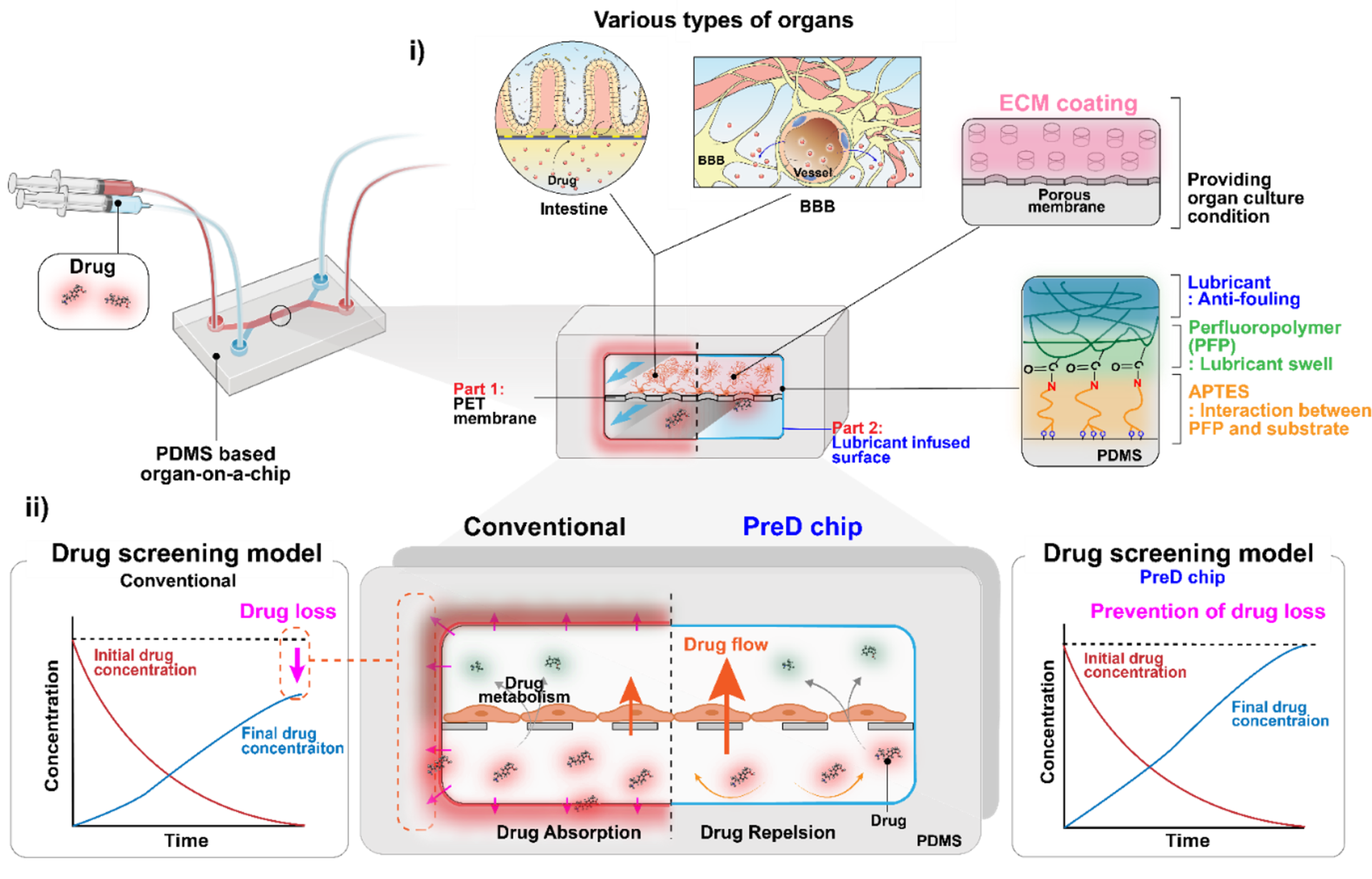
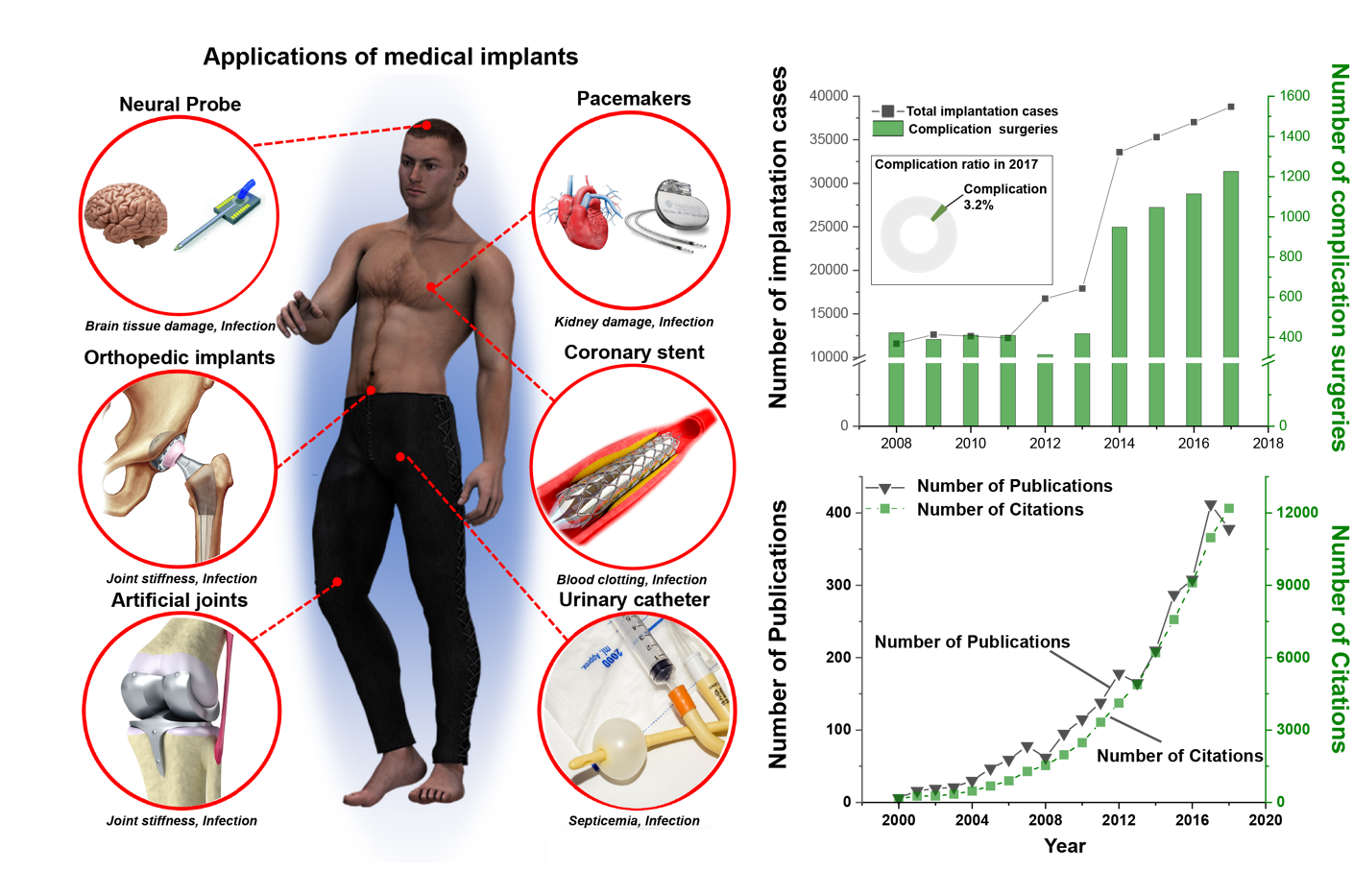
Implantable Sensor Reliability

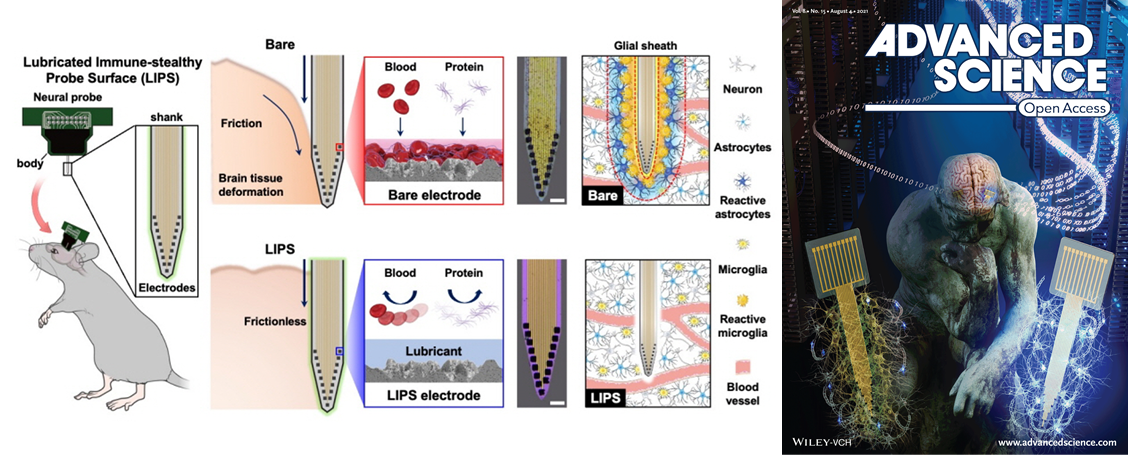
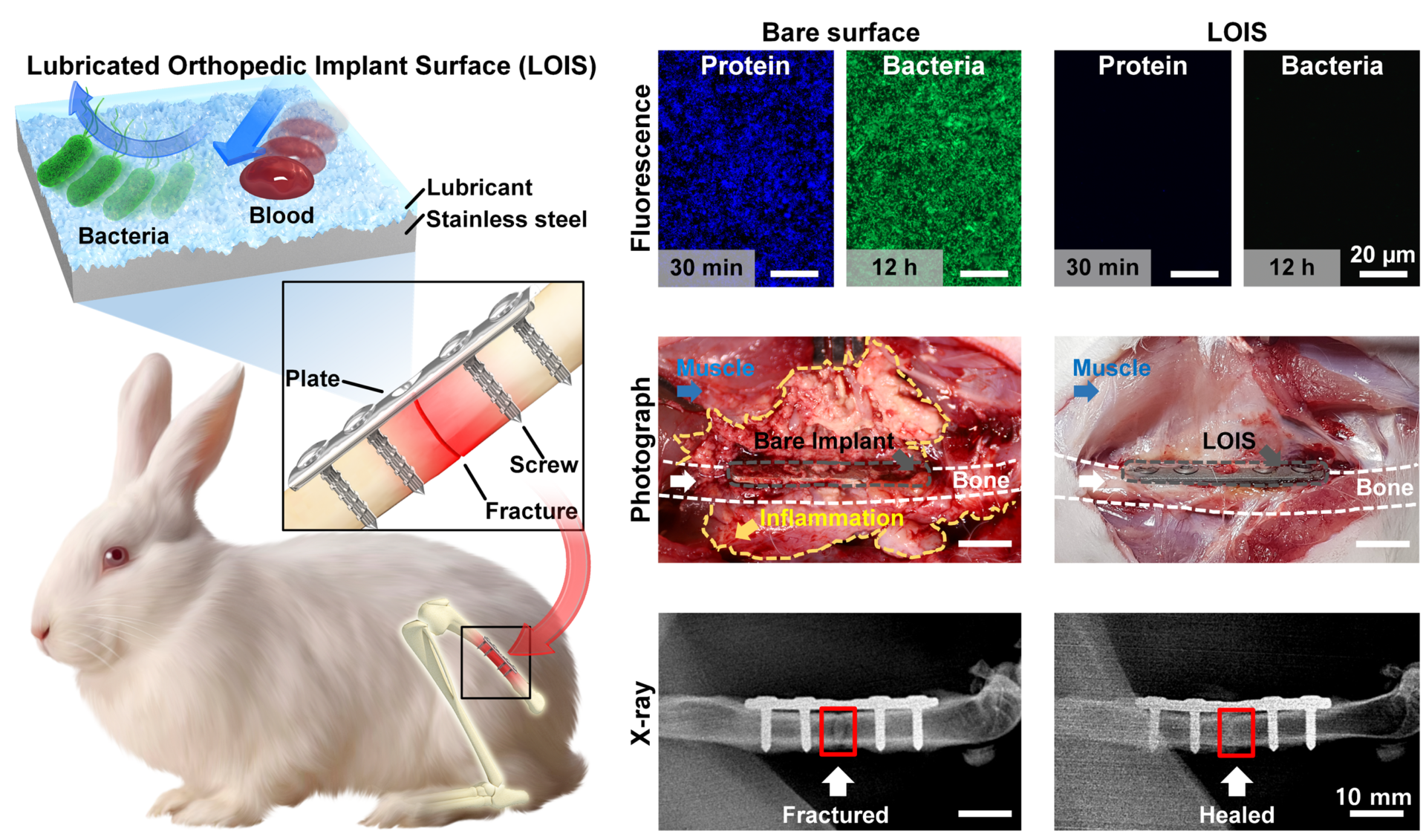
Implanted sensors lose signal within days as proteins foul the surface.

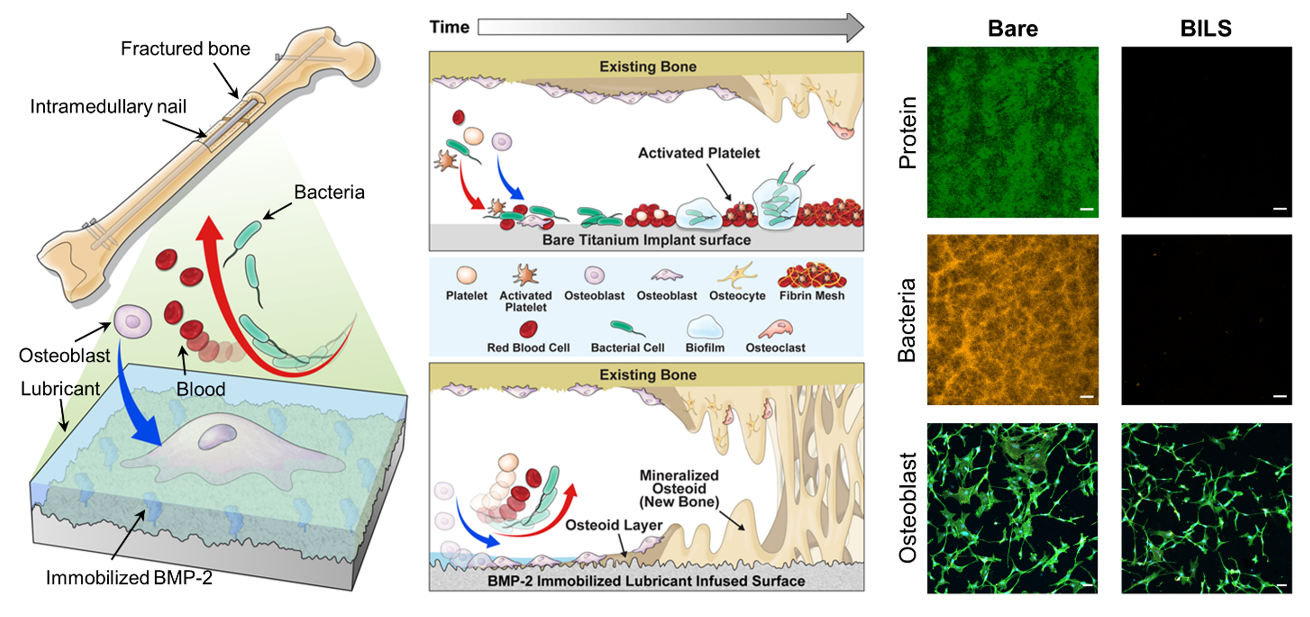
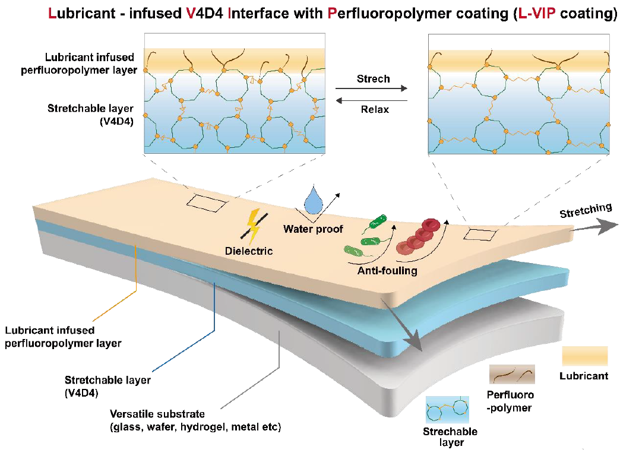
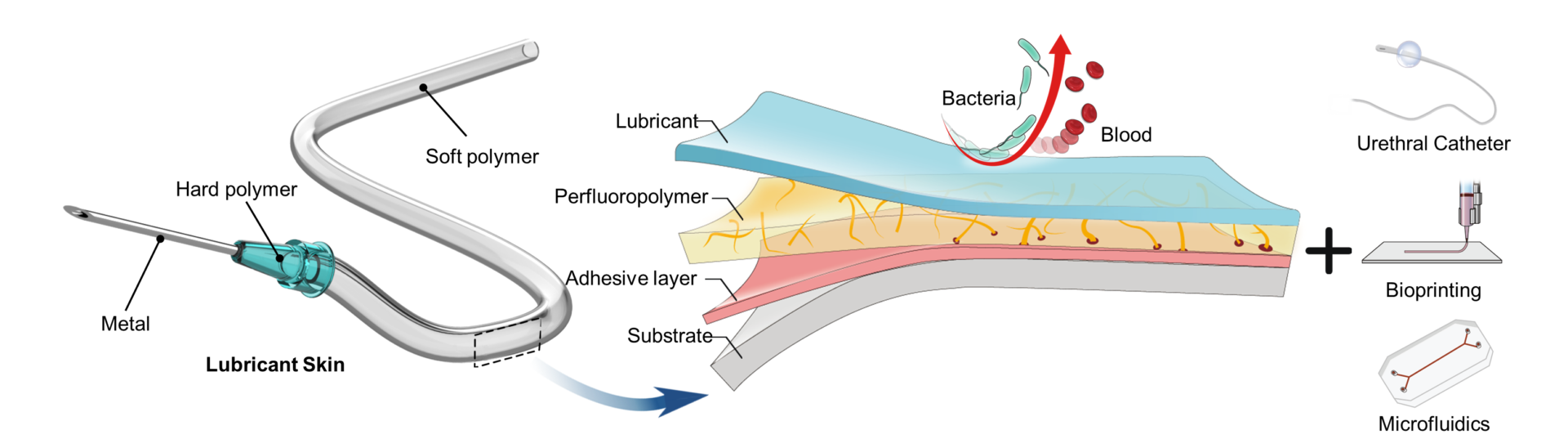
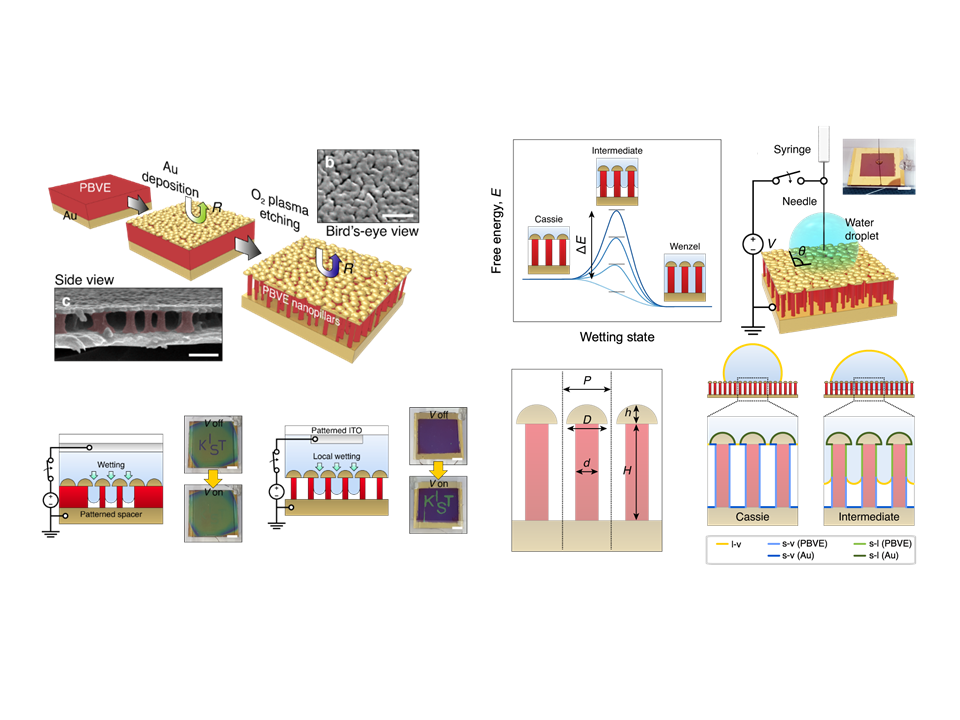
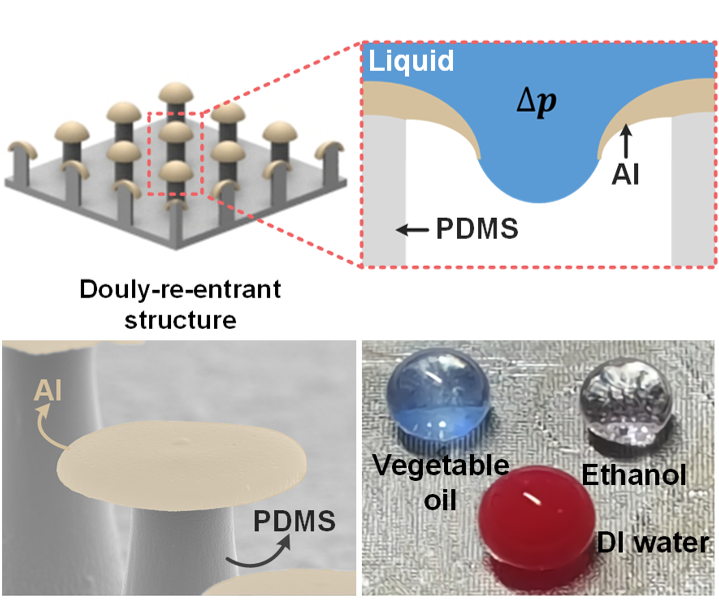
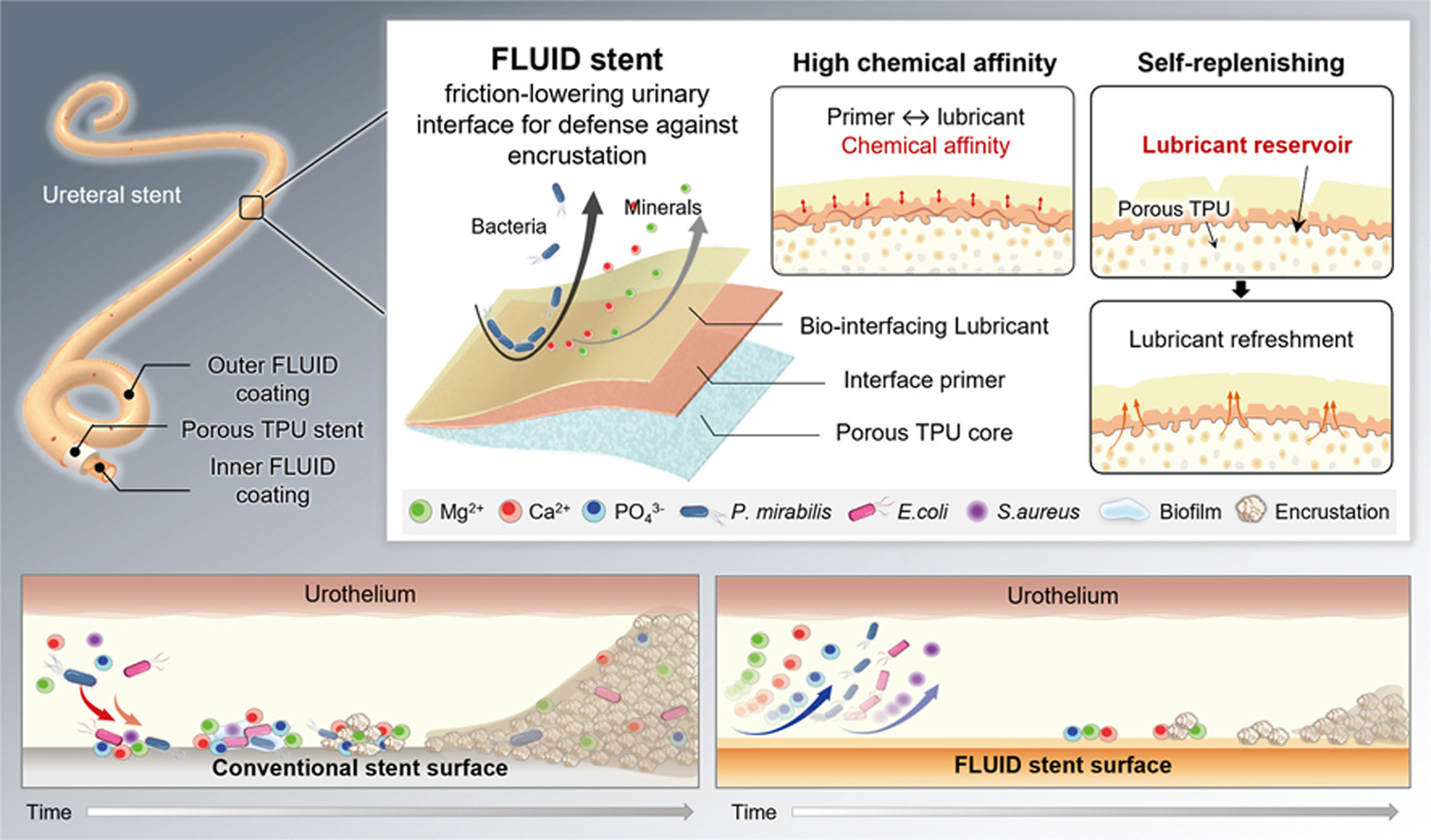
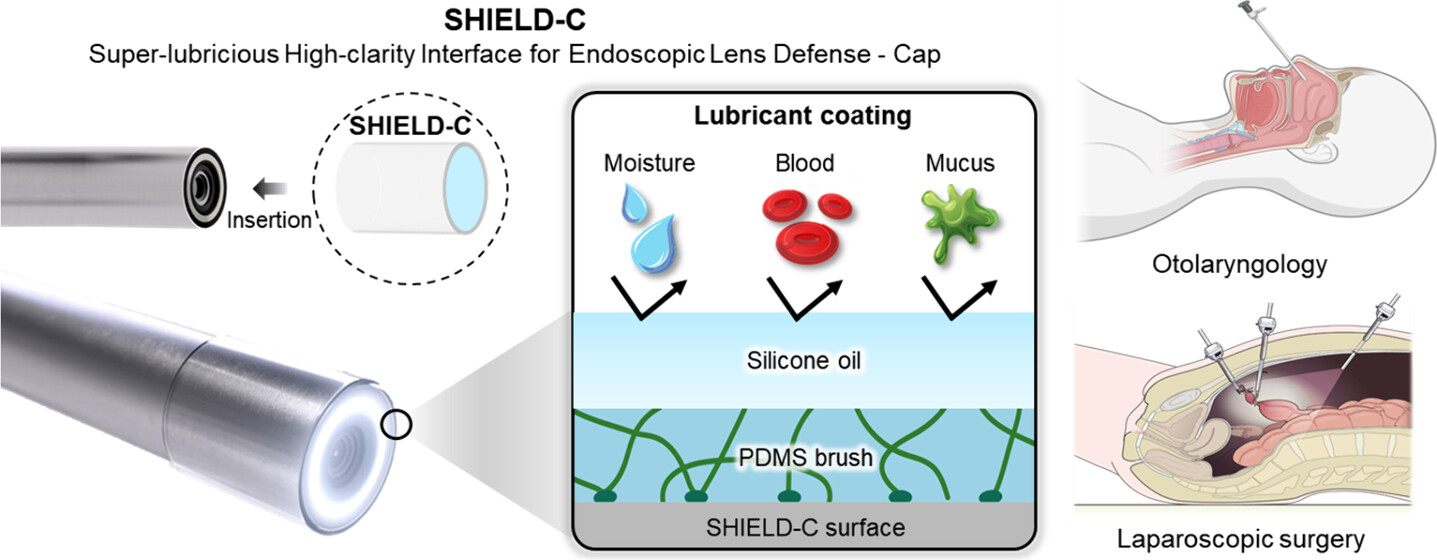
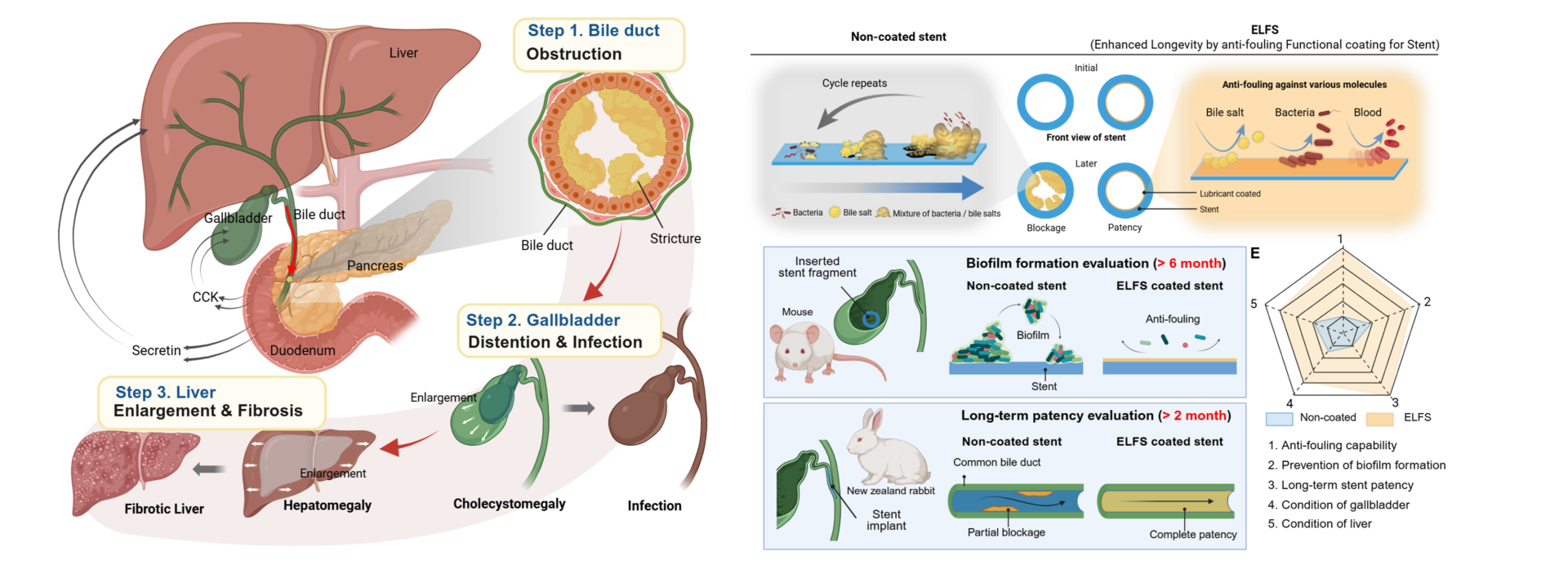
Our proprietary antifouling platforms (LOIS, ELFS, TAB) fundamentally block biofilm formation. By suppressing nonspecific protein adsorption on implants, vascular stents, and CGM surfaces, we extend sensor lifetime from days to months or years. From an EE perspective, this is a signal integrity problem.

Anti-biofoulingSignal integrityImplant / StentCGMIn-vivo longevity

Stretchable Circuits & IC Packaging

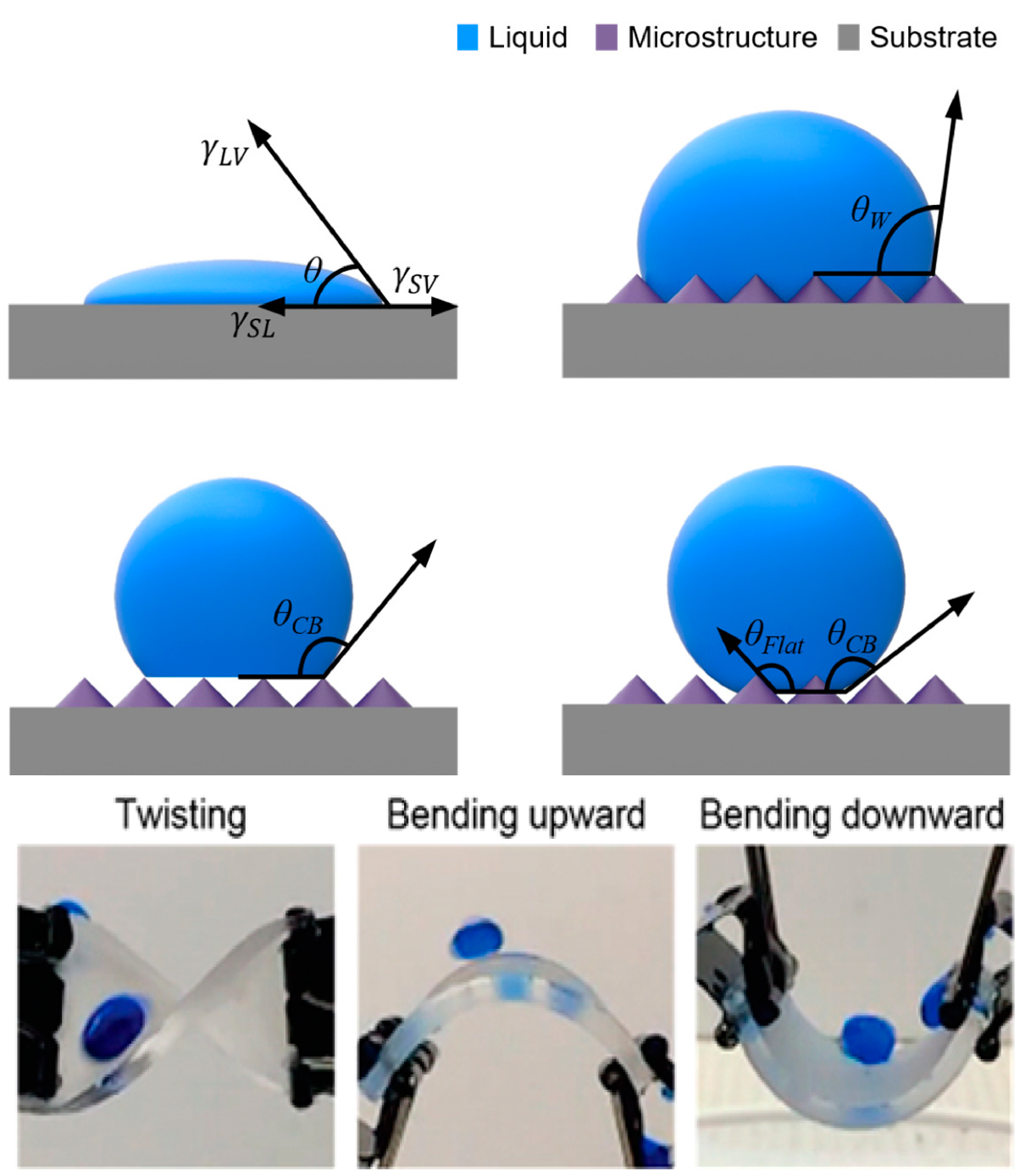
Silicon chips are rigid. Skin stretches. We solve this fundamental conflict.

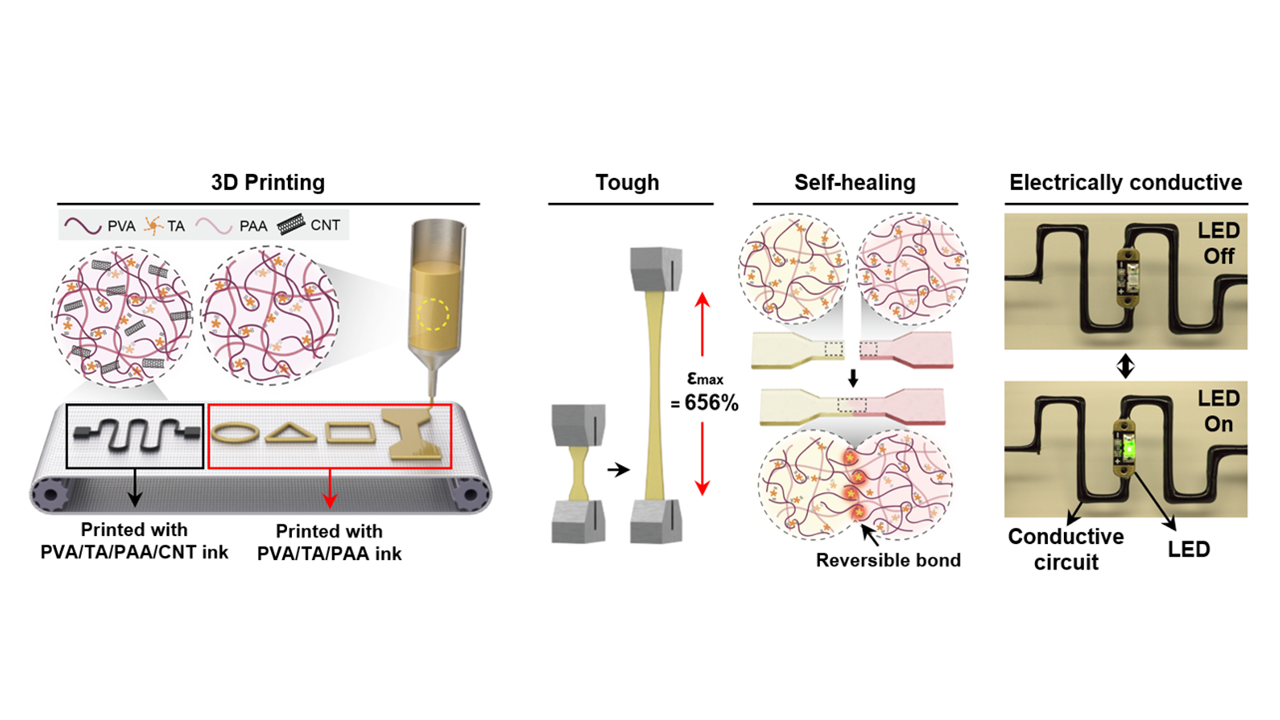
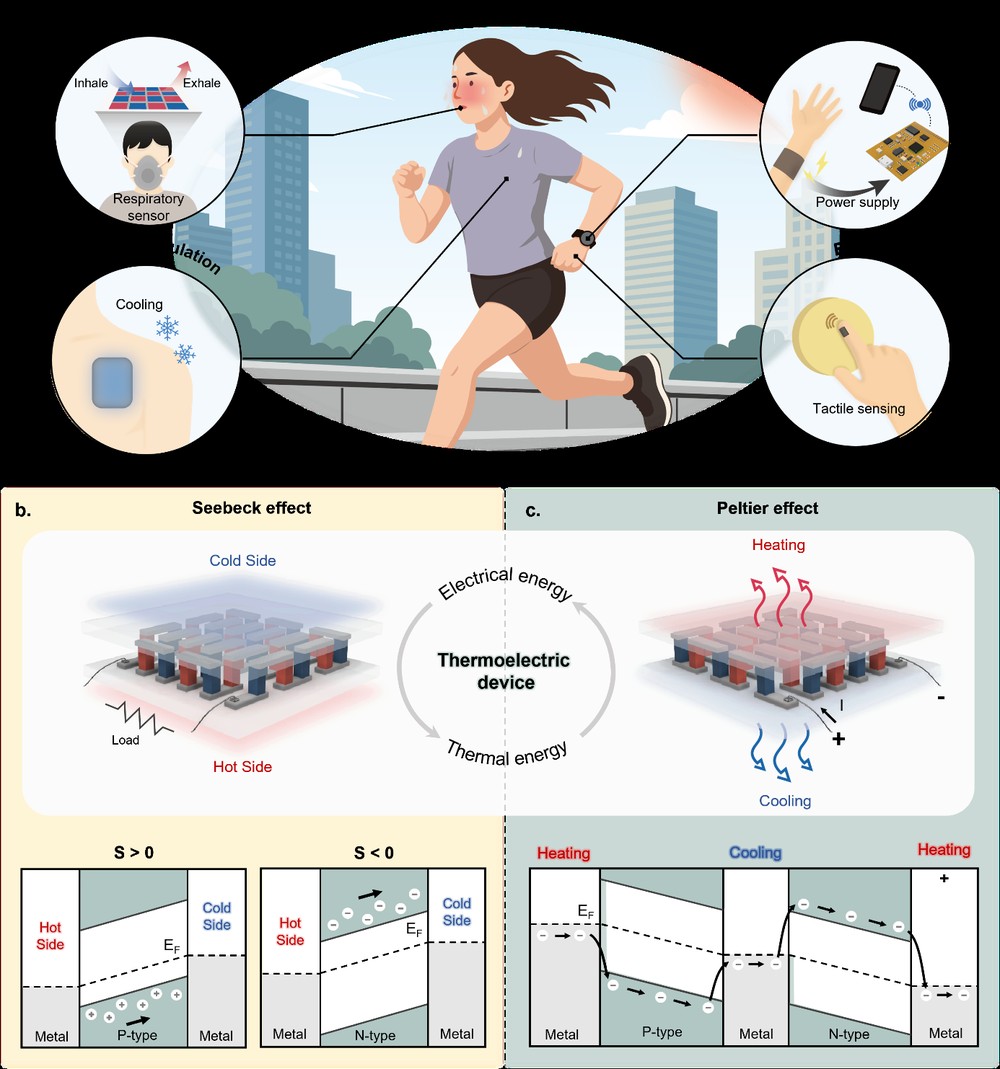
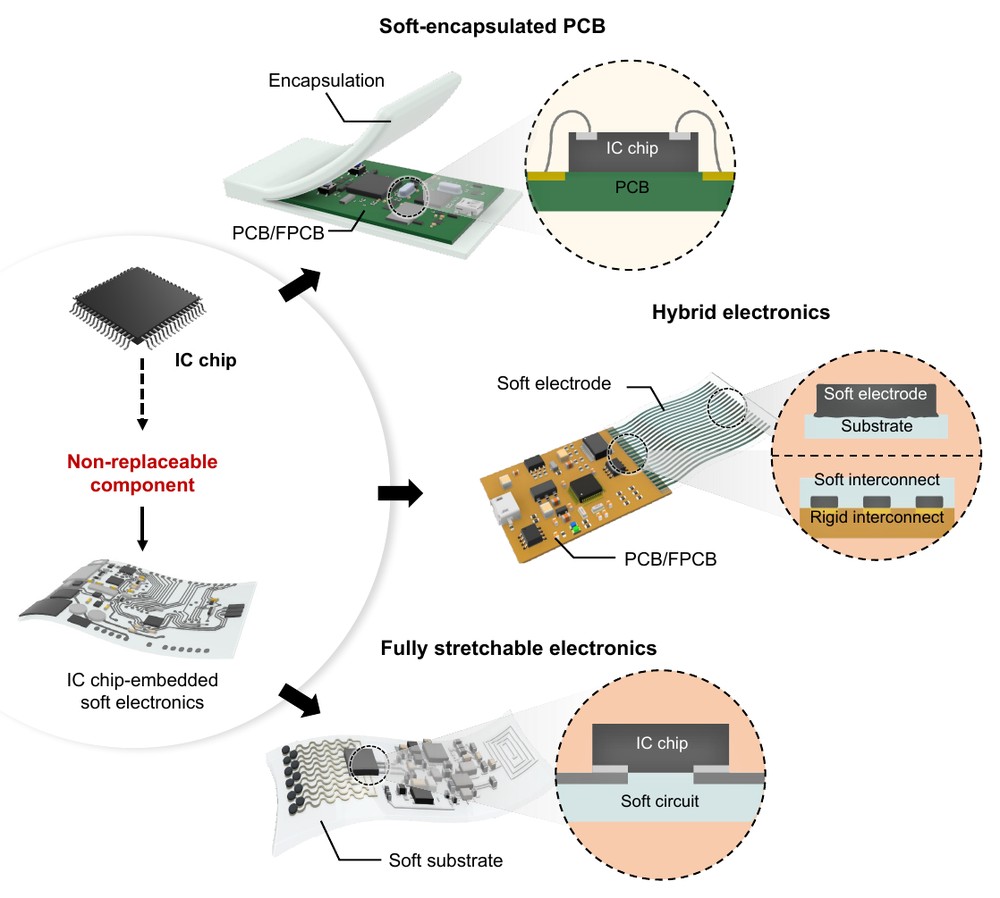
Using liquid metal-based stretchable interconnects and anisotropic conductive films, we create electrical pathways that survive 300%+ strain. Combined with strategies for mounting IC chips directly onto soft substrates, we build complete wearable electronic systems with on-board signal processing, wireless communication, and data storage — where core EE skills in circuit design, packaging, and RF directly apply.

Liquid metal interconnectIC-on-soft packaging300%+ stretchabilityWearable system
Bio-interface illustration

Bridging Biology
and Electronics

Our lab develops next-generation soft bioelectronic interfaces that conformally integrate with biological tissues — enabling seamless signal transduction between living systems and electronic devices.

93+
Publications
16
Journal Covers
6,300+
Citations

Research Highlights

Featured publications with analysis of impact and significance
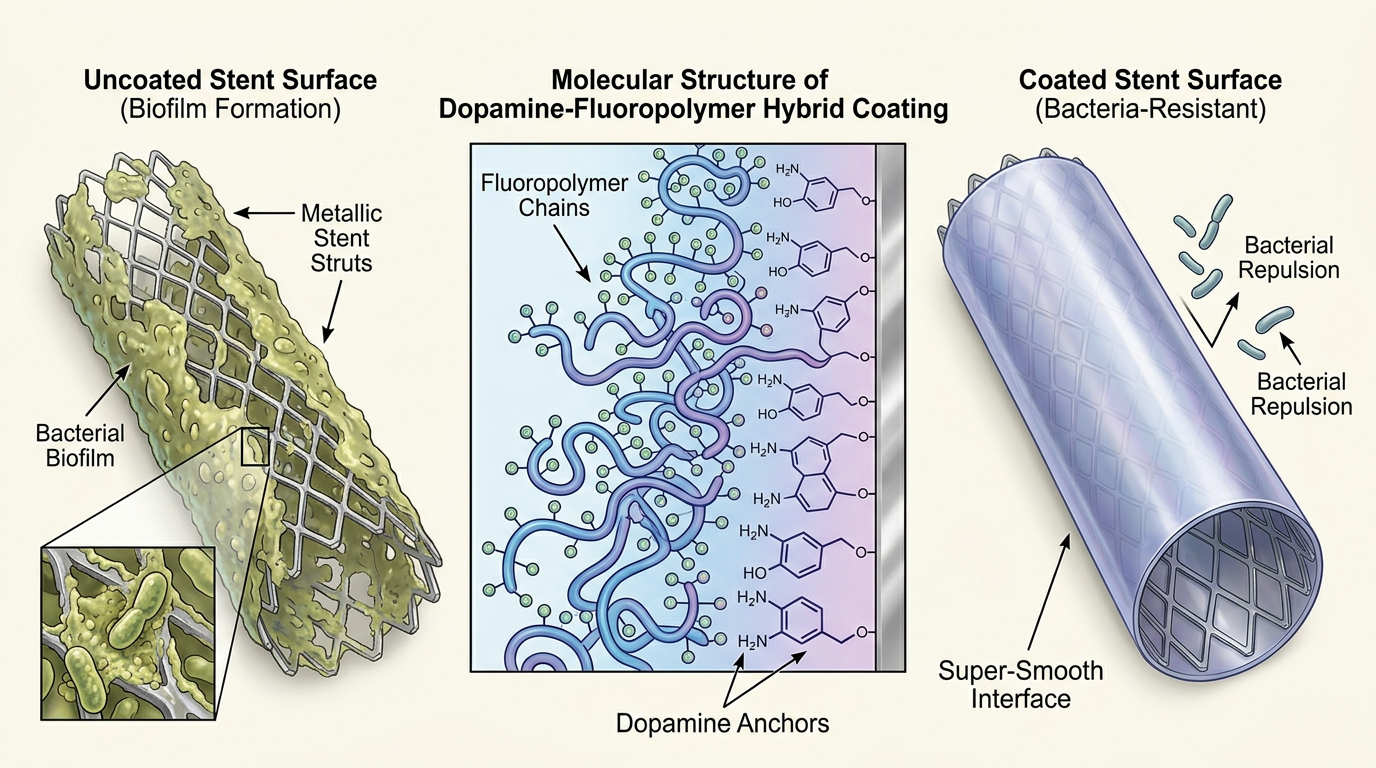
Dopamine-Fluoropolymer Biliary Stent
#Sensor Reliability

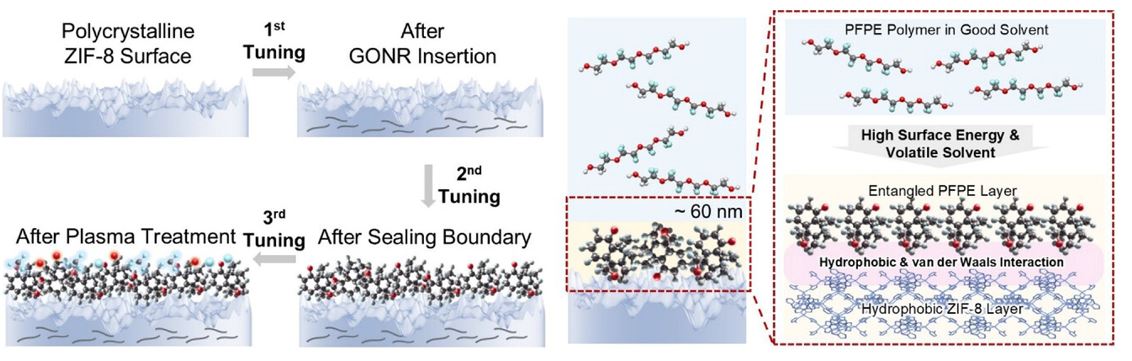
Slippery Dopamine–Fluoropolymer Hybrid Surface for Improving Biliary Stent Longevity

A dopamine–fluoropolymer hybrid coating fundamentally blocks biofilm formation on biliary stents, dramatically extending implantable sensor longevity in vivo.
Anti-biofouling Dopamine–fluoropolymer Biliary stent
Bioactive Materials, 61, 210–228 (2026) · IF 20.3
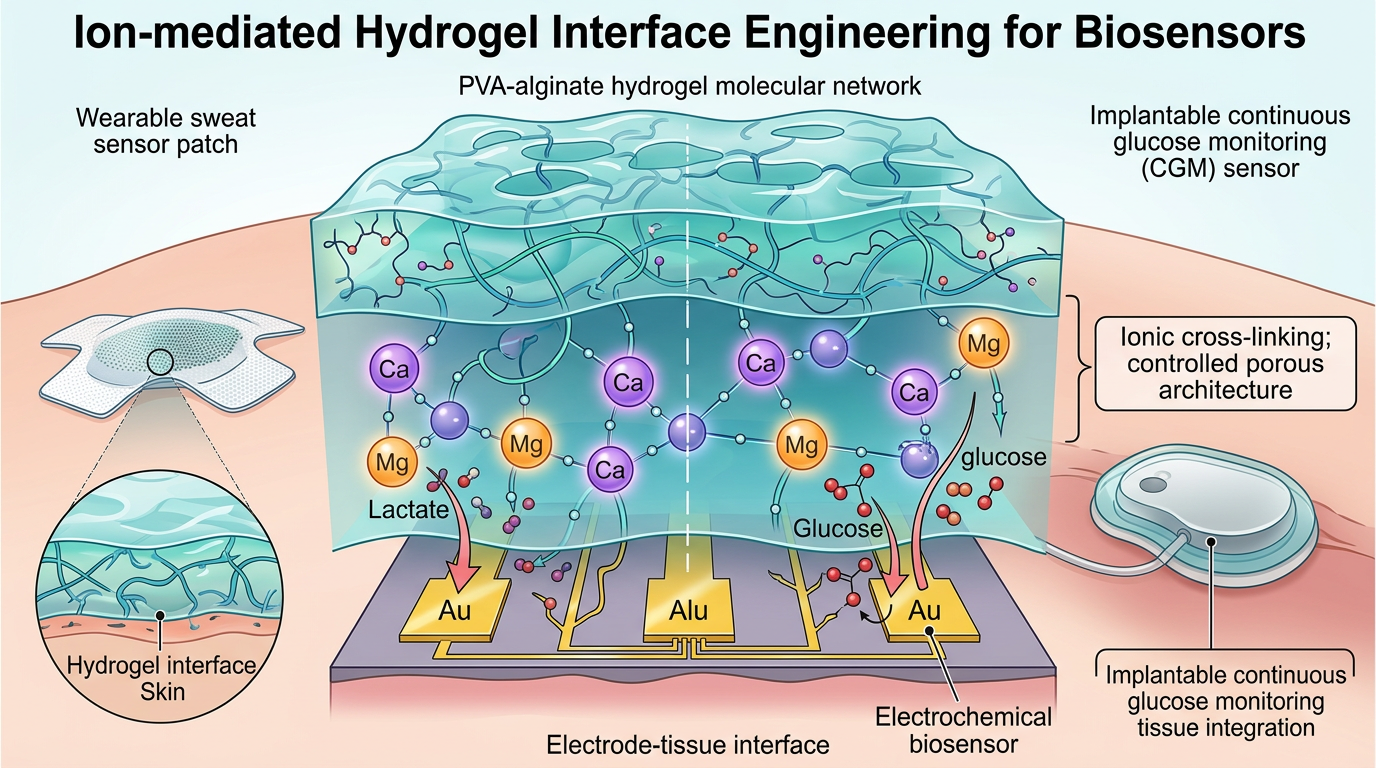
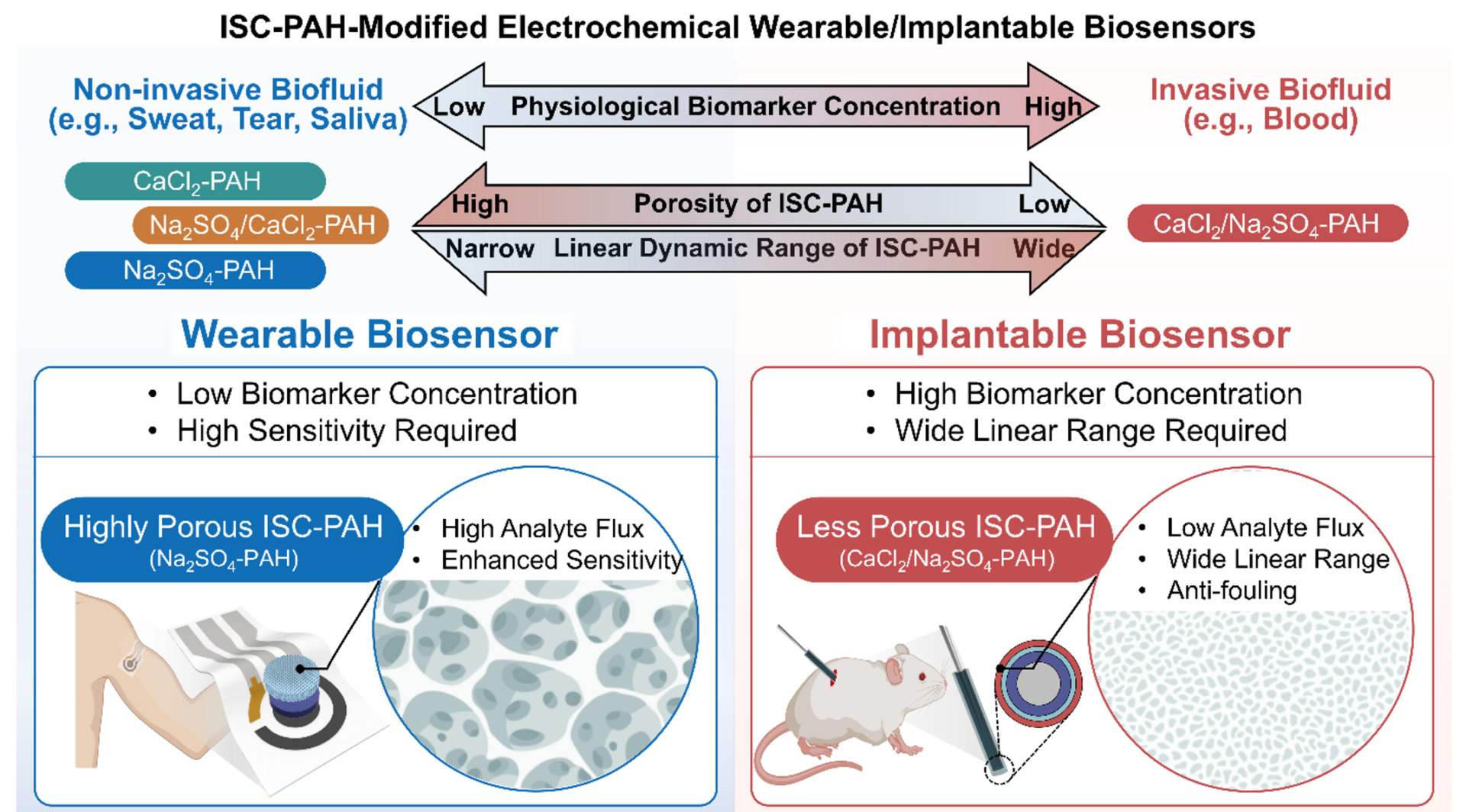
Ion-Mediated Hydrogel Biosensor
#Soft Bioelectrode

Ion-Mediated Structural Engineering of Hydrogel Interfaces for Tunable Mechanical and Analyte Diffusion Properties in Electrochemical Biosensors

Ion-mediated structural engineering precisely controls the porous architecture and mechanical robustness of PVA–alginate hydrogels. From wearable sweat sensors to implantable CGMs, this soft electrode platform optimizes the electrode-tissue interface for electrochemical biosensors.
Ion-mediated hydrogel Tunable porosity Wearable / CGM
Advanced Materials, (2026) · IF 27.4
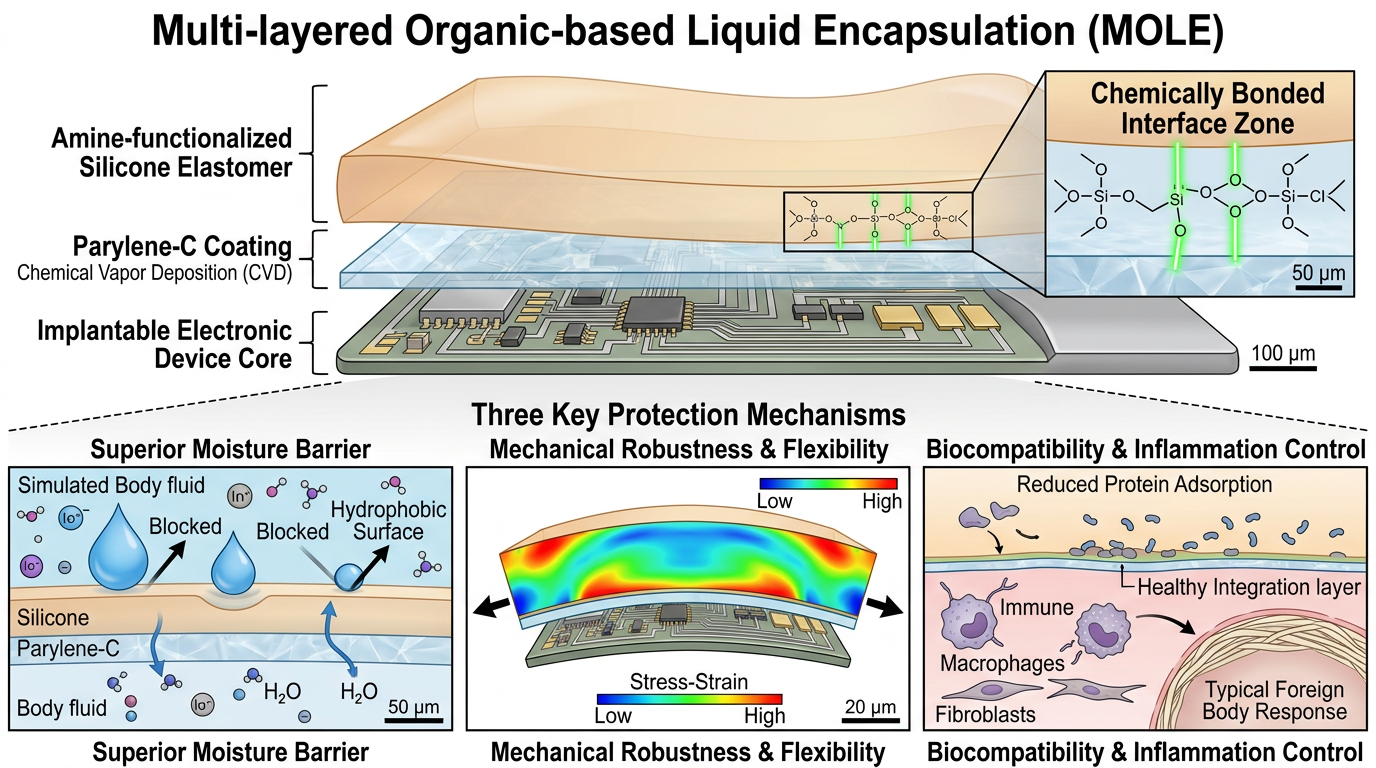
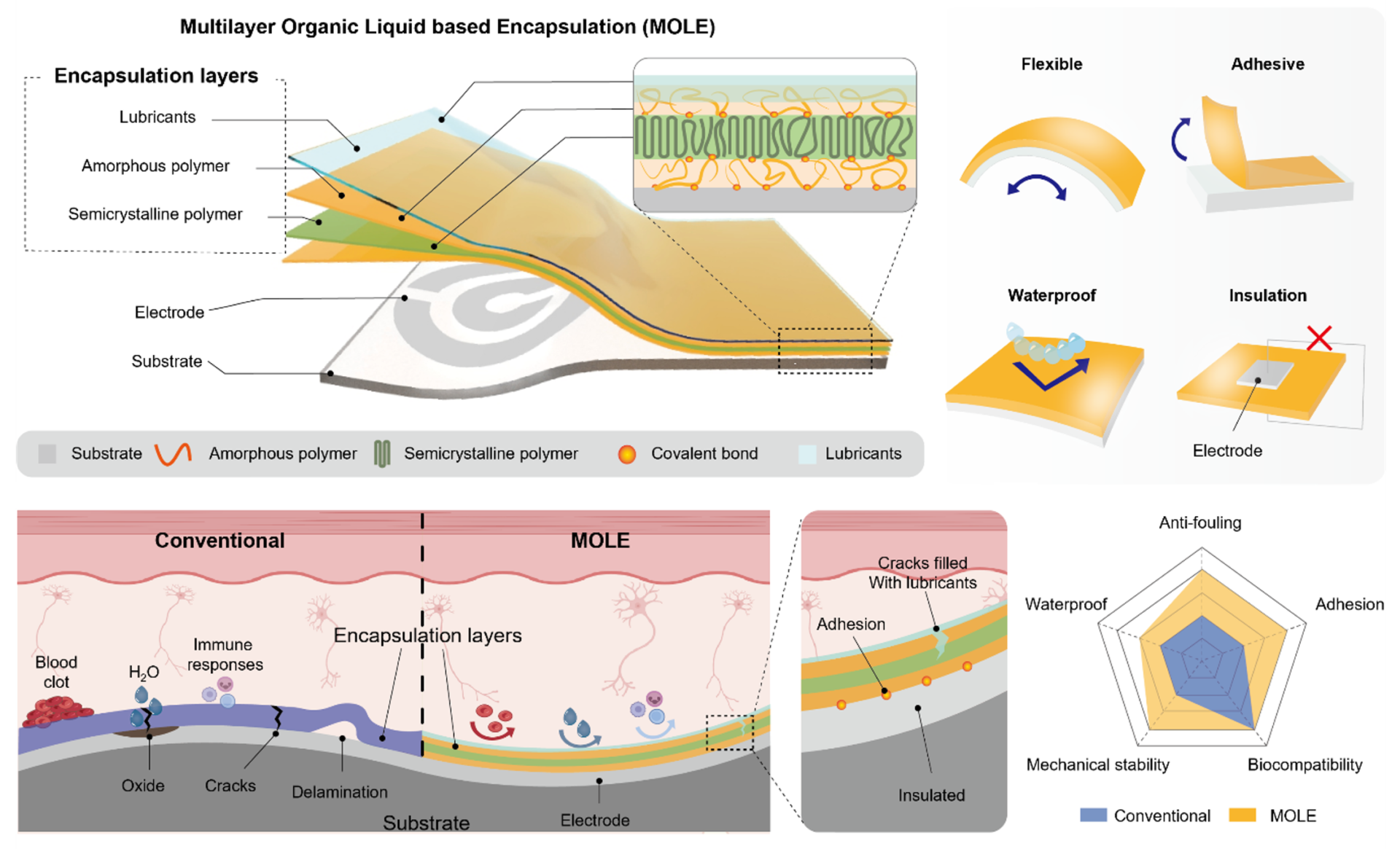
MOLE Implantable Device Encapsulation
#Sensor Reliability

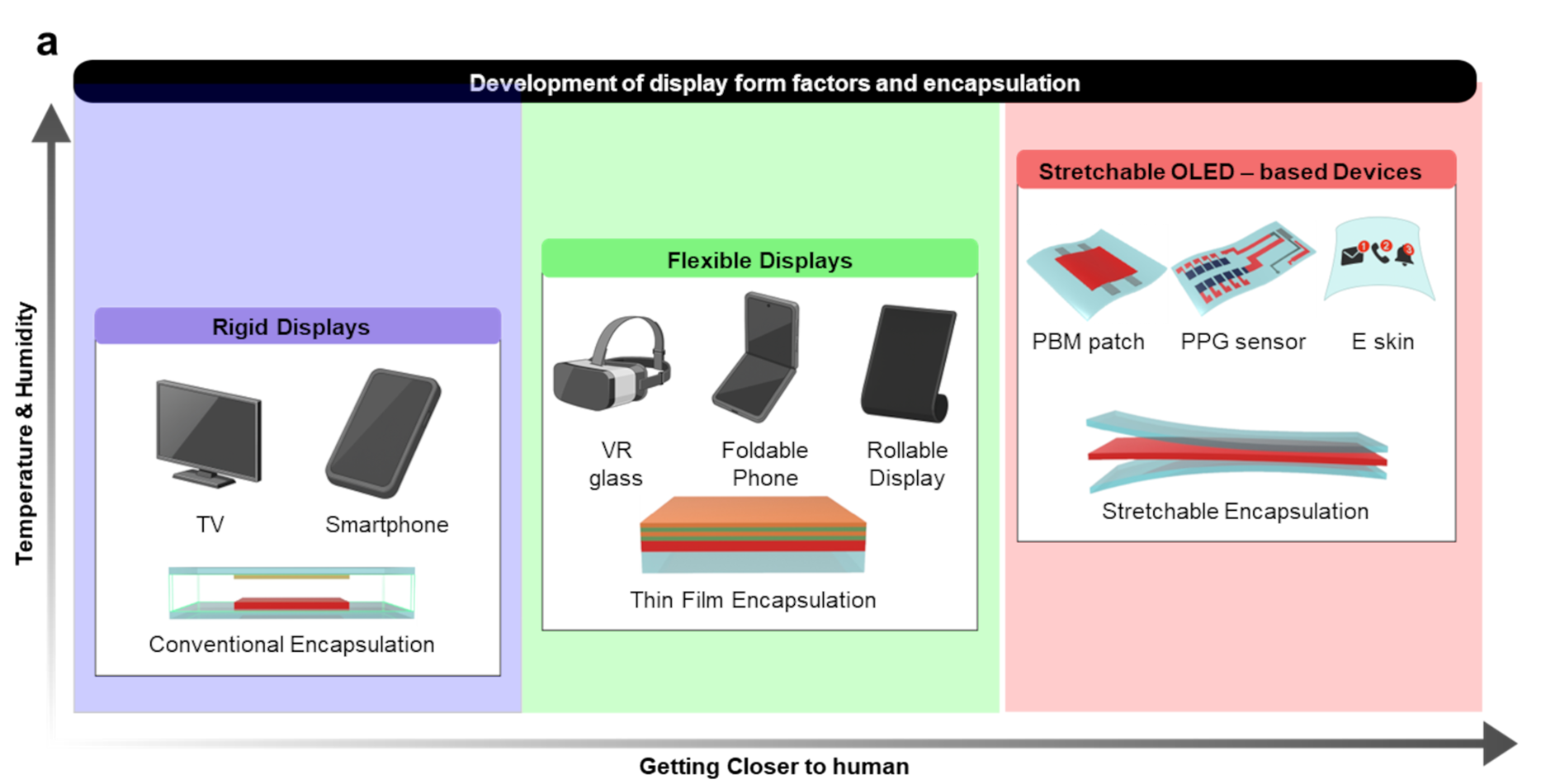
Mechanically Robust and Anti-biofouling Hybrid Encapsulation via Layered Organic–Liquid Interfaces for Implantable Devices

Multi-layered Organic-based Liquid Encapsulation (MOLE) simultaneously addresses moisture permeation, mechanical deformation, and biofouling in implantable bioelectronics. Chemically bonded amine-functionalized silicone elastomer and Parylene-C layers ensure long-term signal integrity.
MOLE encapsulation Moisture barrier Implant protection
Small, e10949 (2026) · IF 12.1
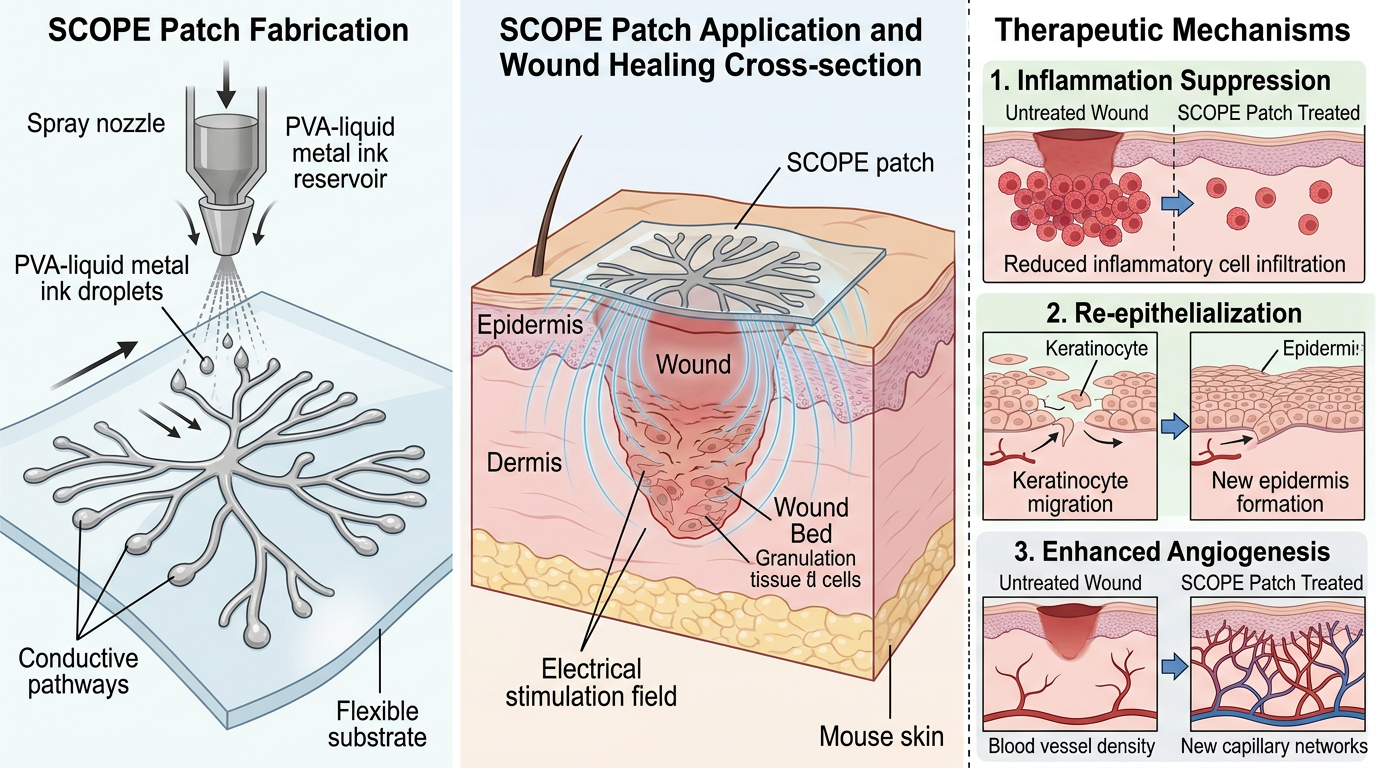
SCOPE Patch Diabetic Wound Healing
#Soft Bioelectrode

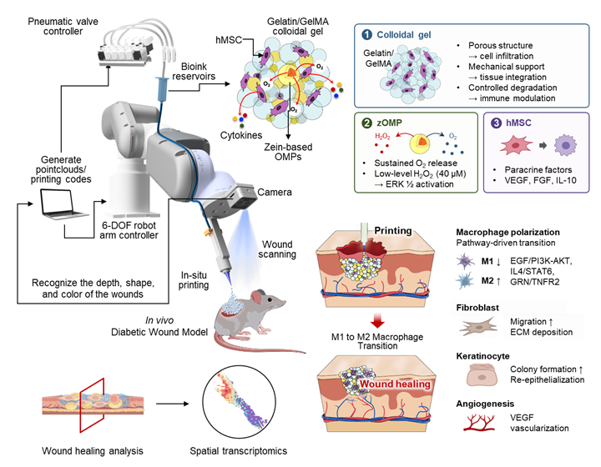
Optimized Electrical Stimulation Using a Spray-Printed Conductive Electroceutical Patch for Accelerated Wound Healing in Diabetic Mice

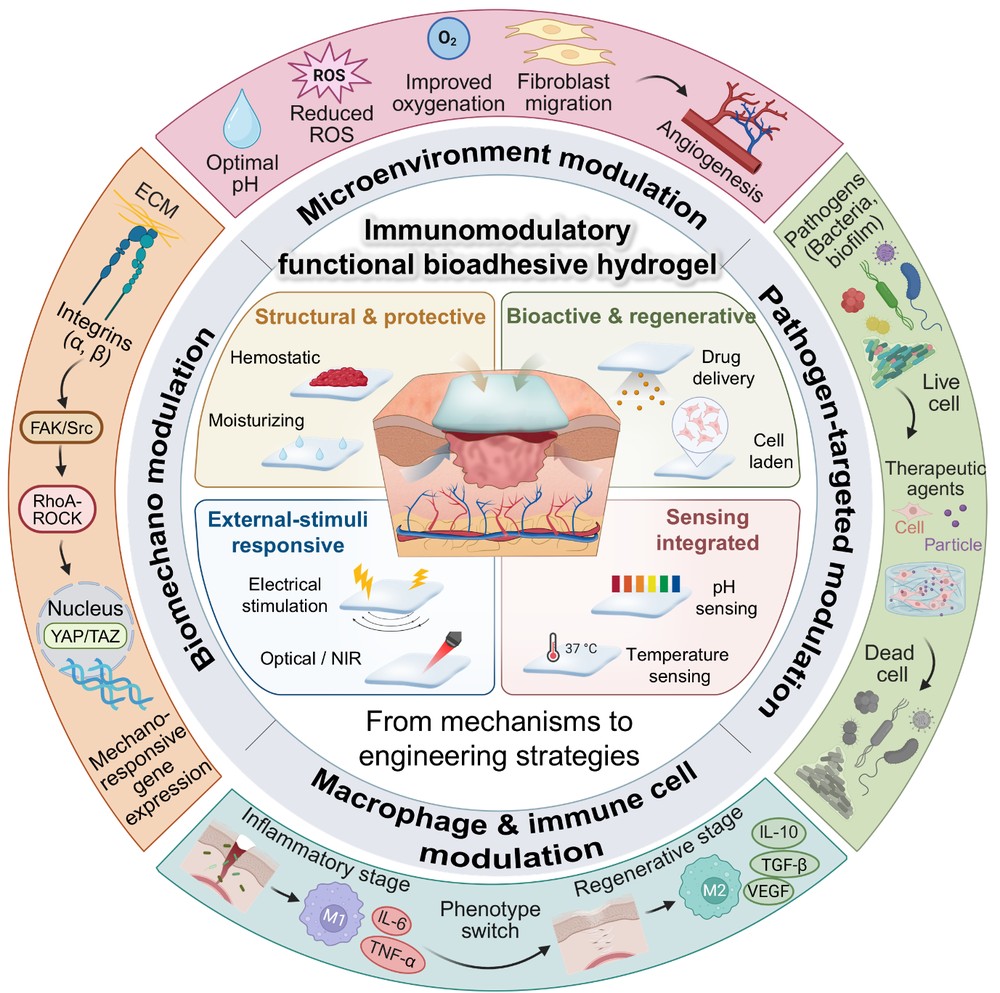
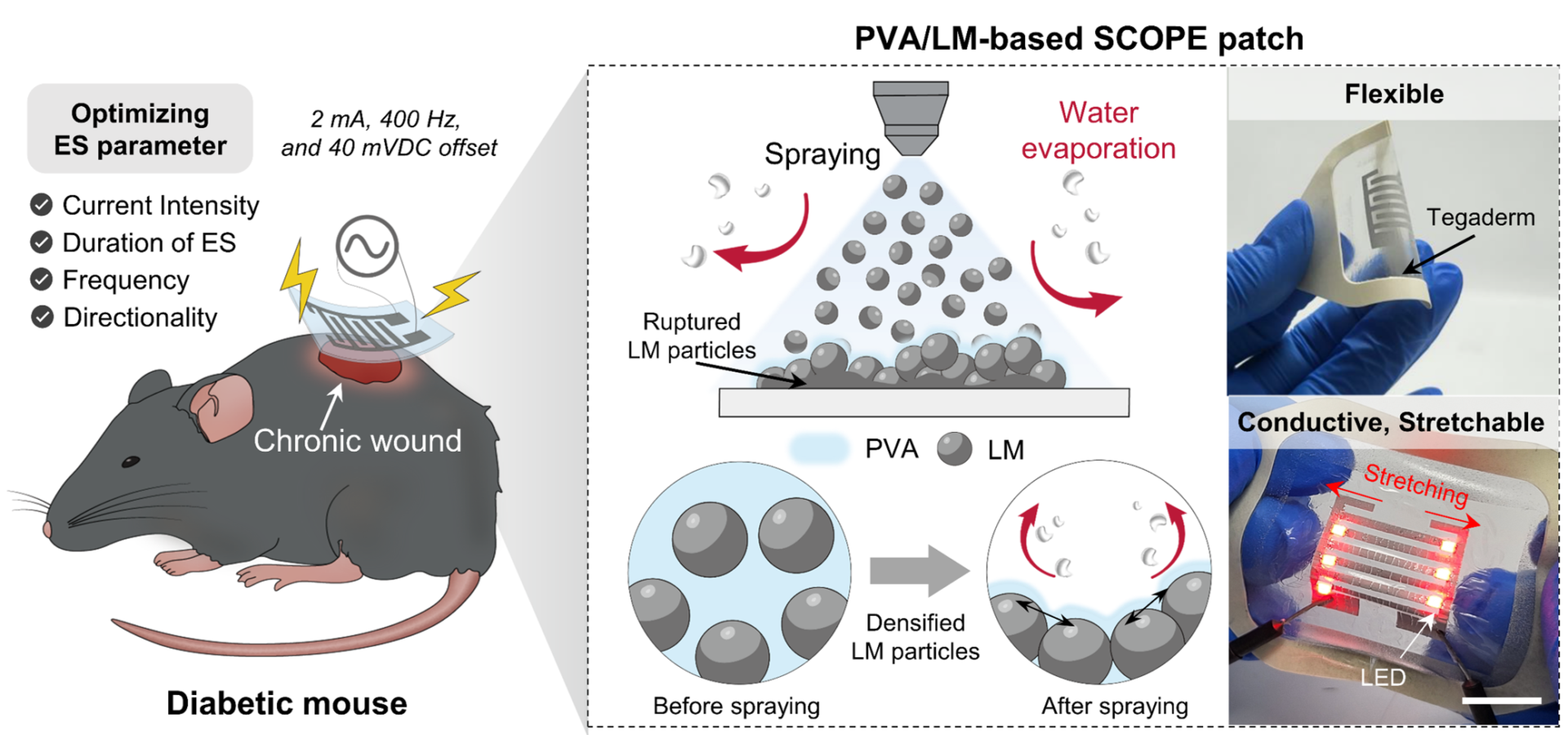
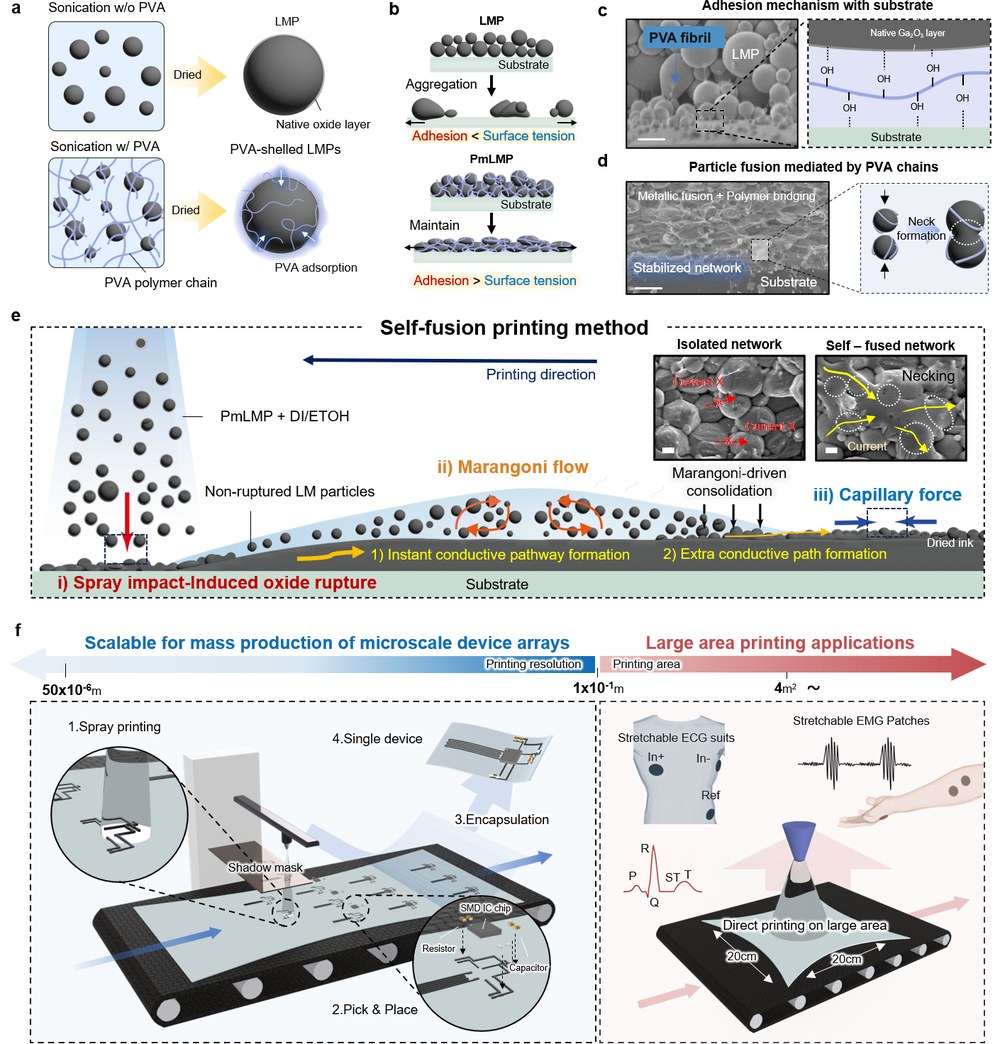
A spray-printed conductive electroceutical (SCOPE) patch based on PVA–liquid metal ink suppresses sustained inflammation in diabetic wounds and promotes re-epithelialization and neovascularization. An optimized electrical stimulation therapy platform built on soft electrode materials.
Liquid metal ink Spray printing Diabetic wound
Advanced Healthcare Materials, e04939 (2026) · IF 9.6
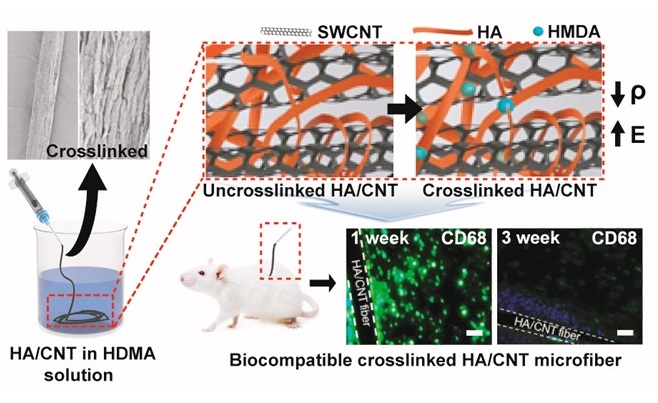
Liquid-Infused Fiber Neural Recording
#Bio-Interface

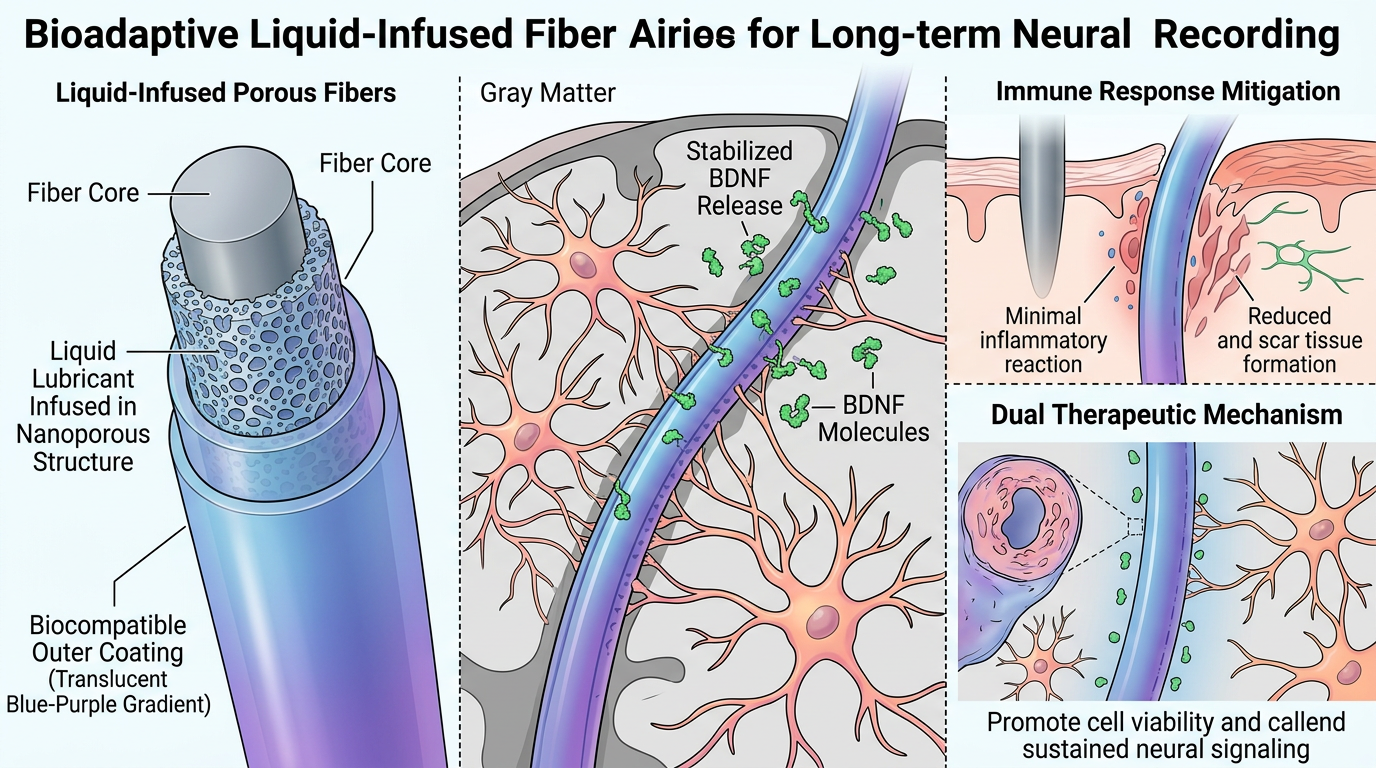
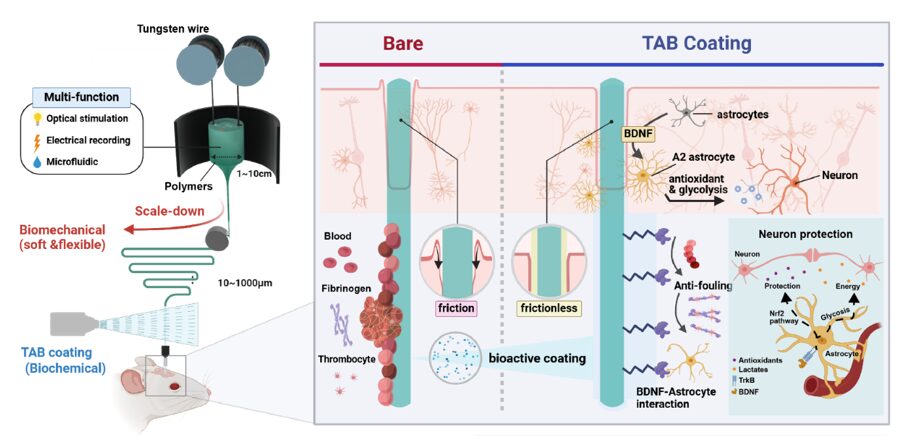
Bioadaptive Liquid-Infused Fibers for Long-Term Neural Recording

Liquid-infused multifunctional fibers stabilize BDNF and suppress immune response, enabling chronic neural signal recording with long-term bio-interface stability between neural tissue and devices.
BDNF stabilization Liquid-infused fiber Neural interface
Science Advances, 11(37), eadz1228 (2025) · IF 12.5
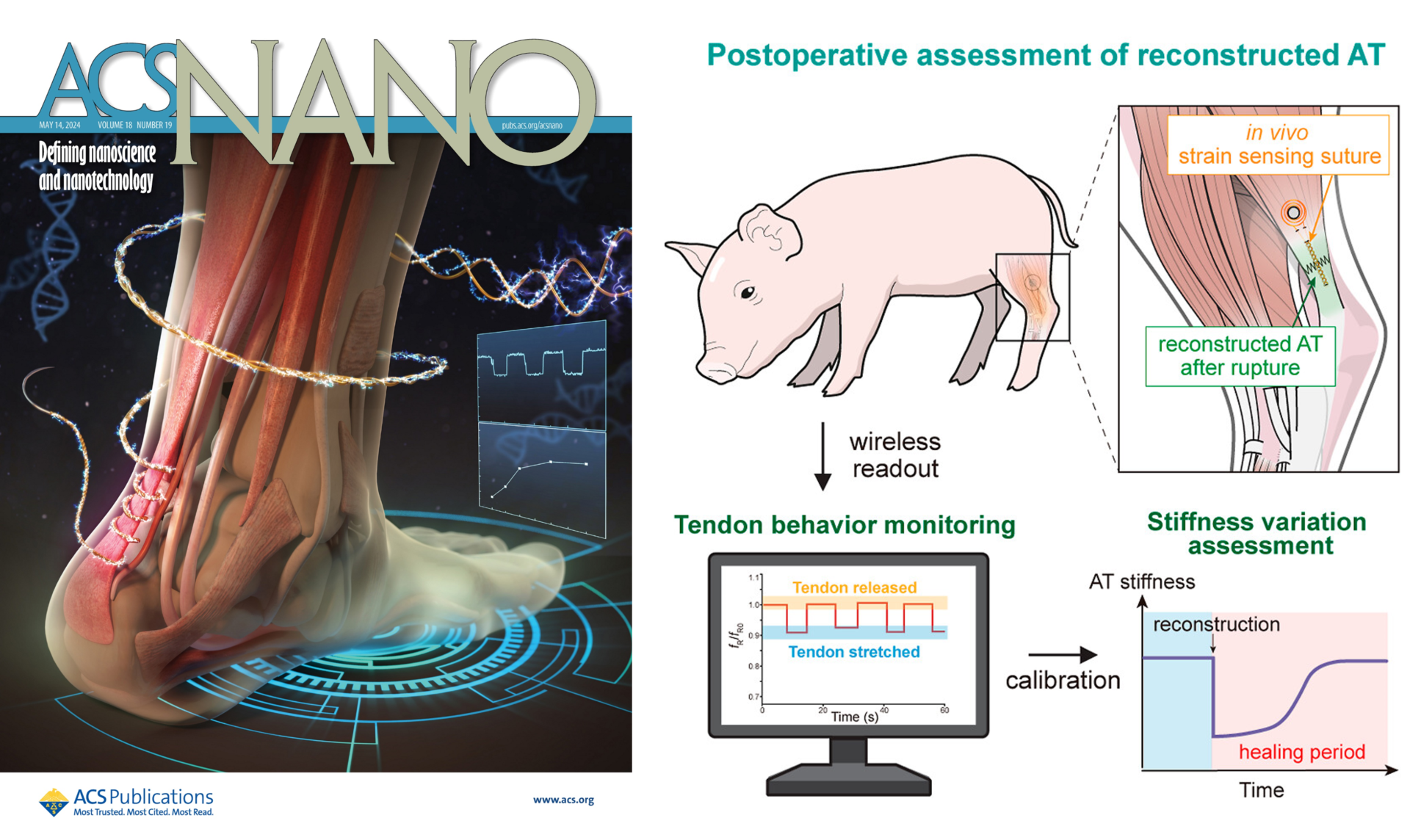
Wireless Electronic Suture Monitoring
#Stretchable Circuit

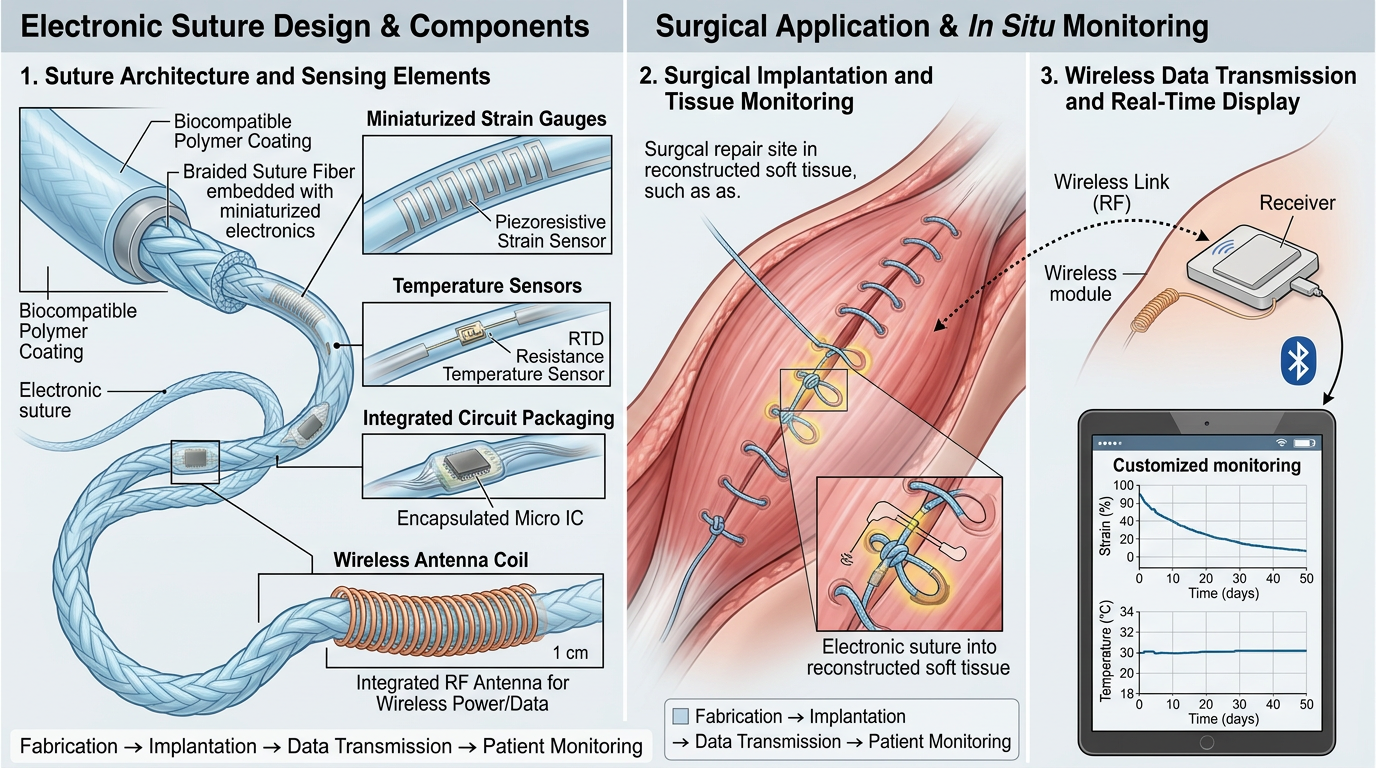
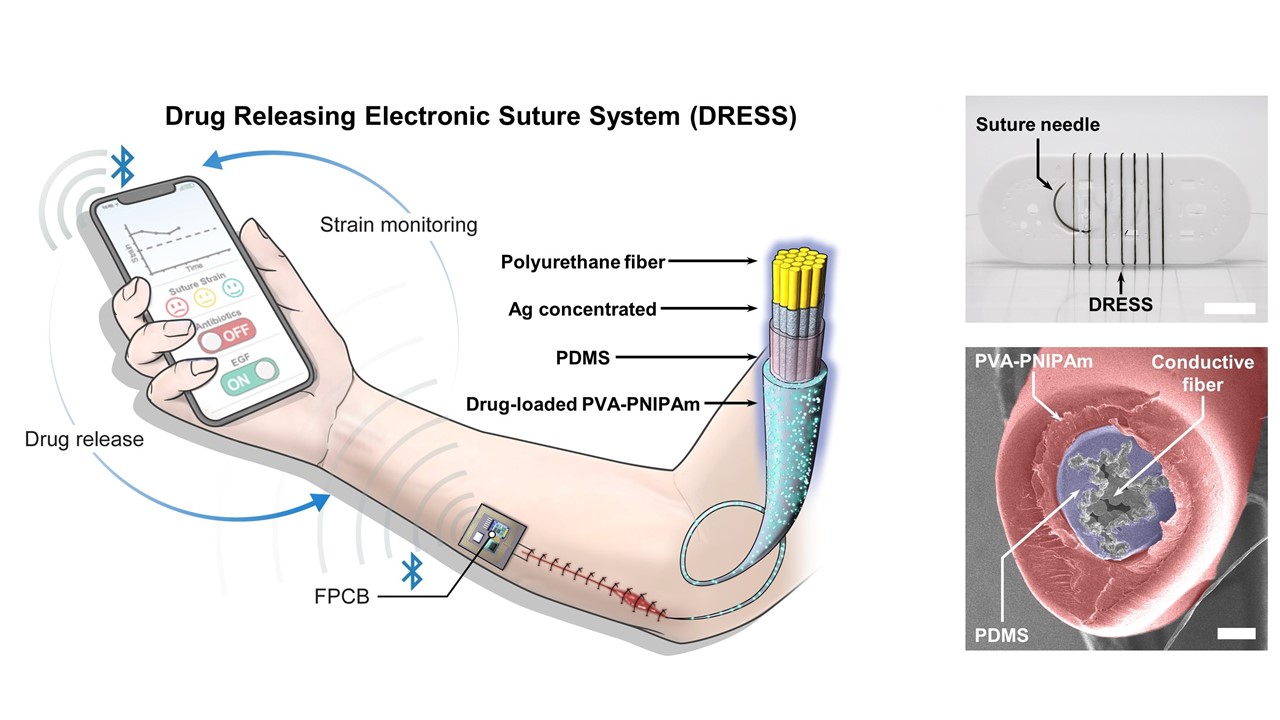
Wireless Electronic Sutures for Monitoring Reconstructed Soft Tissues

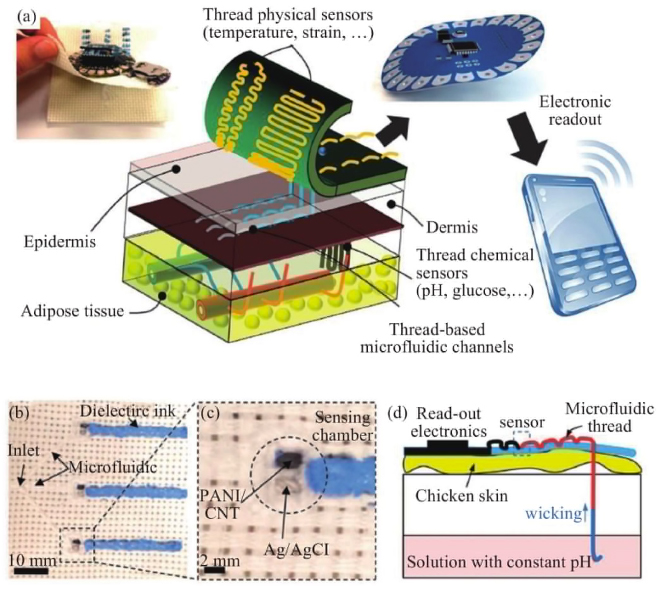
Biocompatible wireless electronic sutures enable long-term postoperative monitoring of mechanical characteristics in reconstructed soft tissues — a complete soft electronic system integrating IC packaging and wireless communication.
Wireless e-suture IC-on-soft packaging Post-op monitoring
ACS Nano, 18, 12210–12224 (2024) · IF 16.0
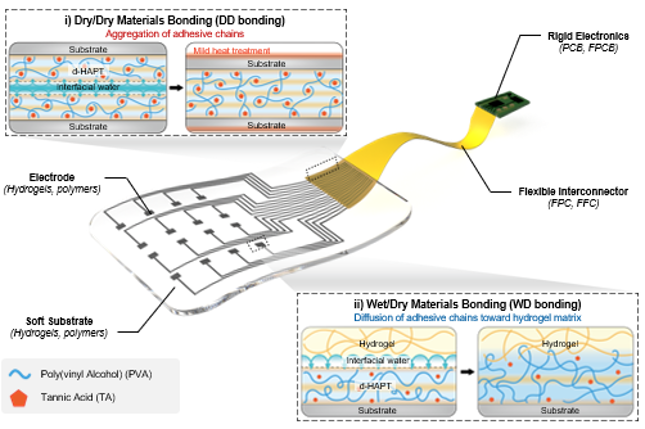
Universal Hydrogel Adhesives
#Stretchable Circuit

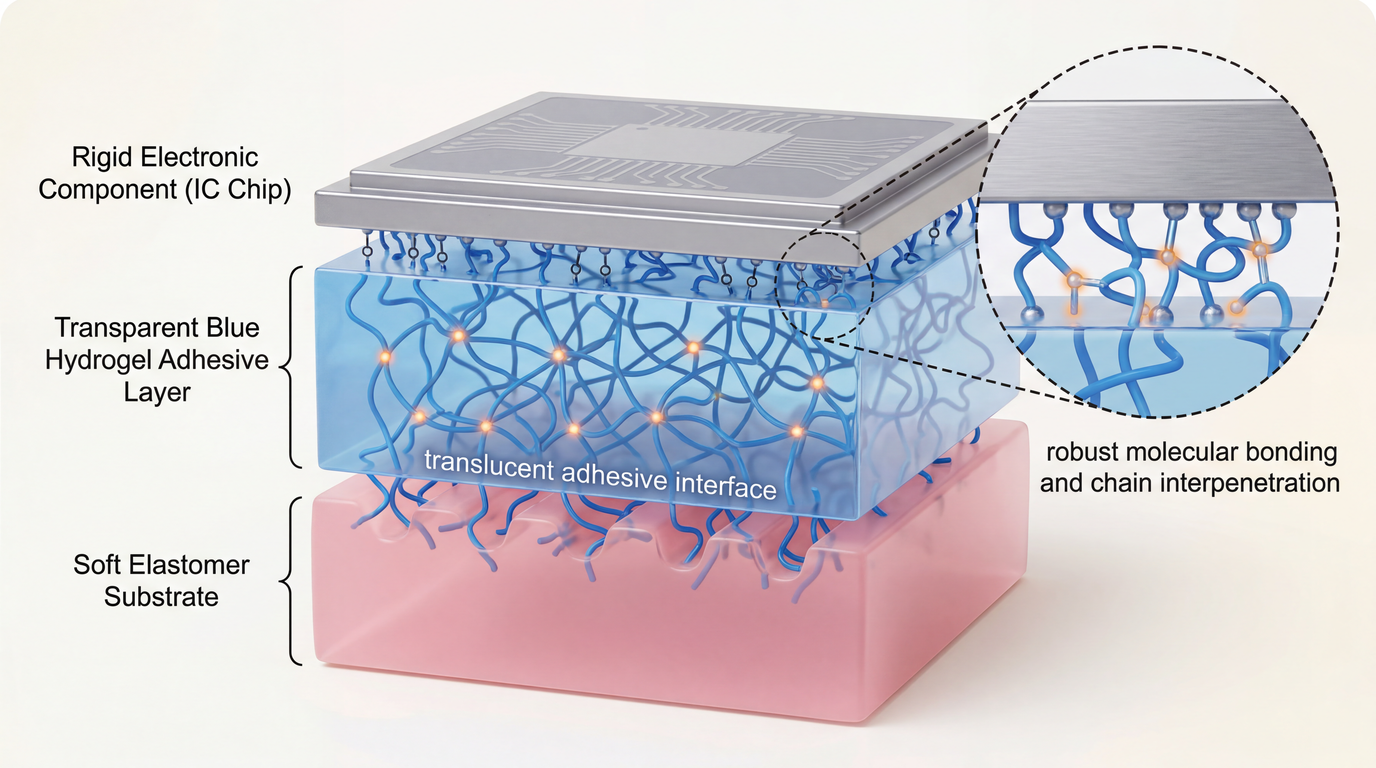
Universal Hydrogel Adhesives with Robust Chain Entanglement for Bridging Soft Electronic Materials

Chain entanglement-based universal hydrogel adhesives enable integration of soft materials (hydrogels, elastomers) with rigid components (IC chips) into a single system. This robust bonding of dissimilar materials is a key enabling technology for building complete flexible electronic device systems.
Chain entanglement Soft-rigid integration Flexible device system
npj Flexible Electronics, 8, 39 (2024) · IF 15.5
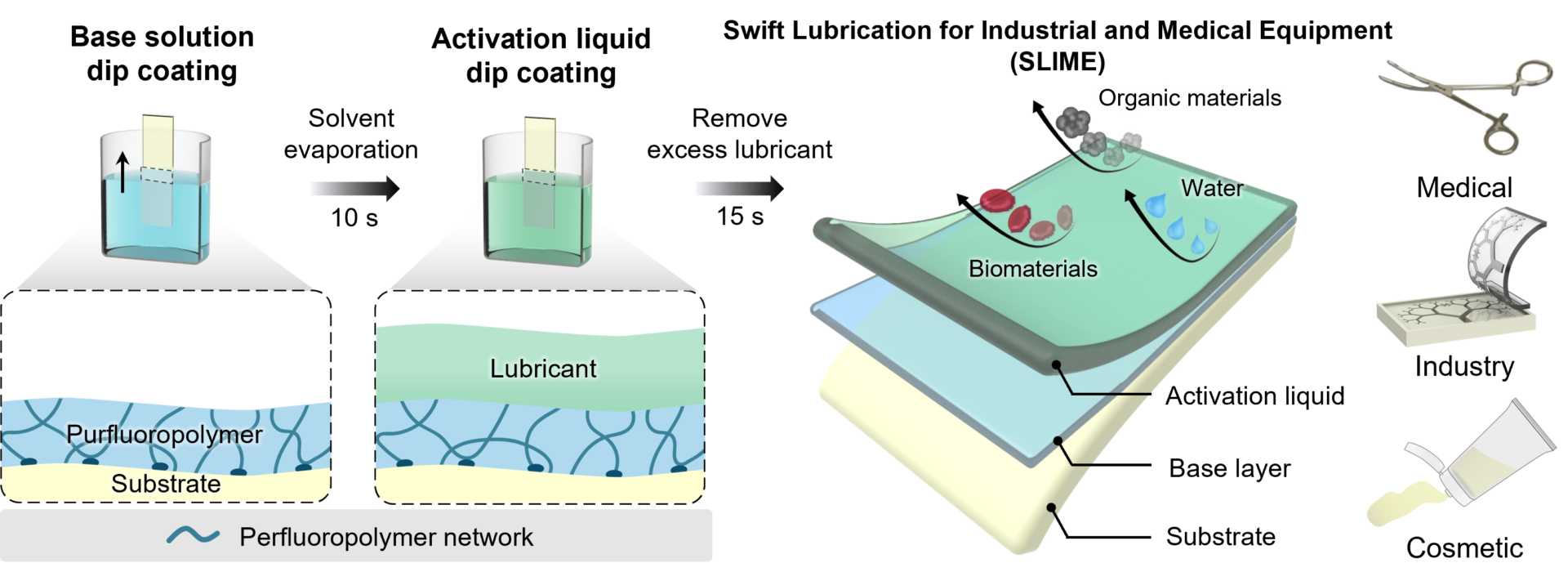
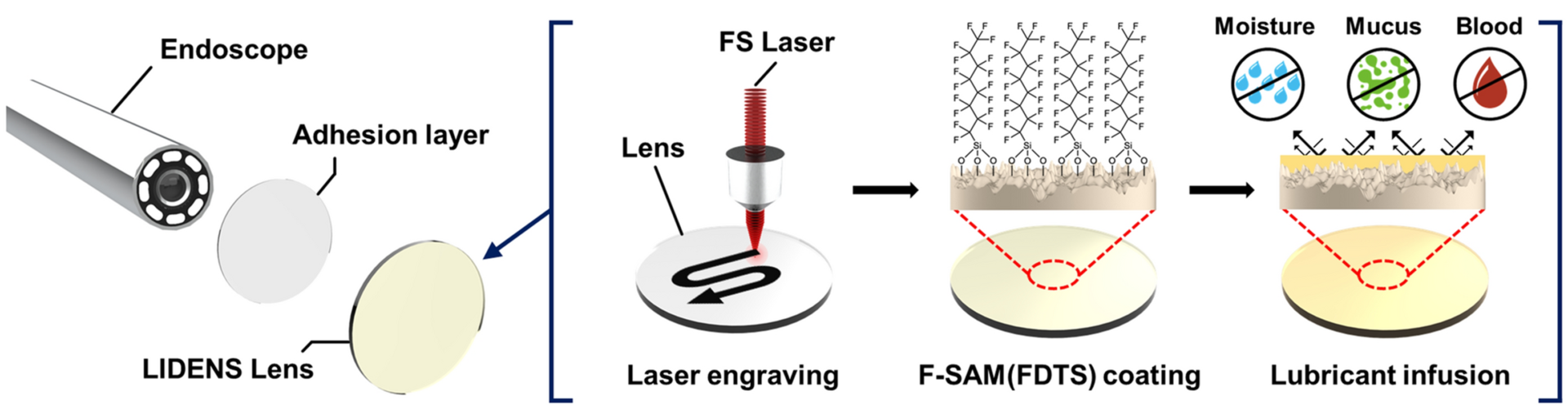
Lubricant-Infused Polymeric Interfaces
#Sensor Reliability

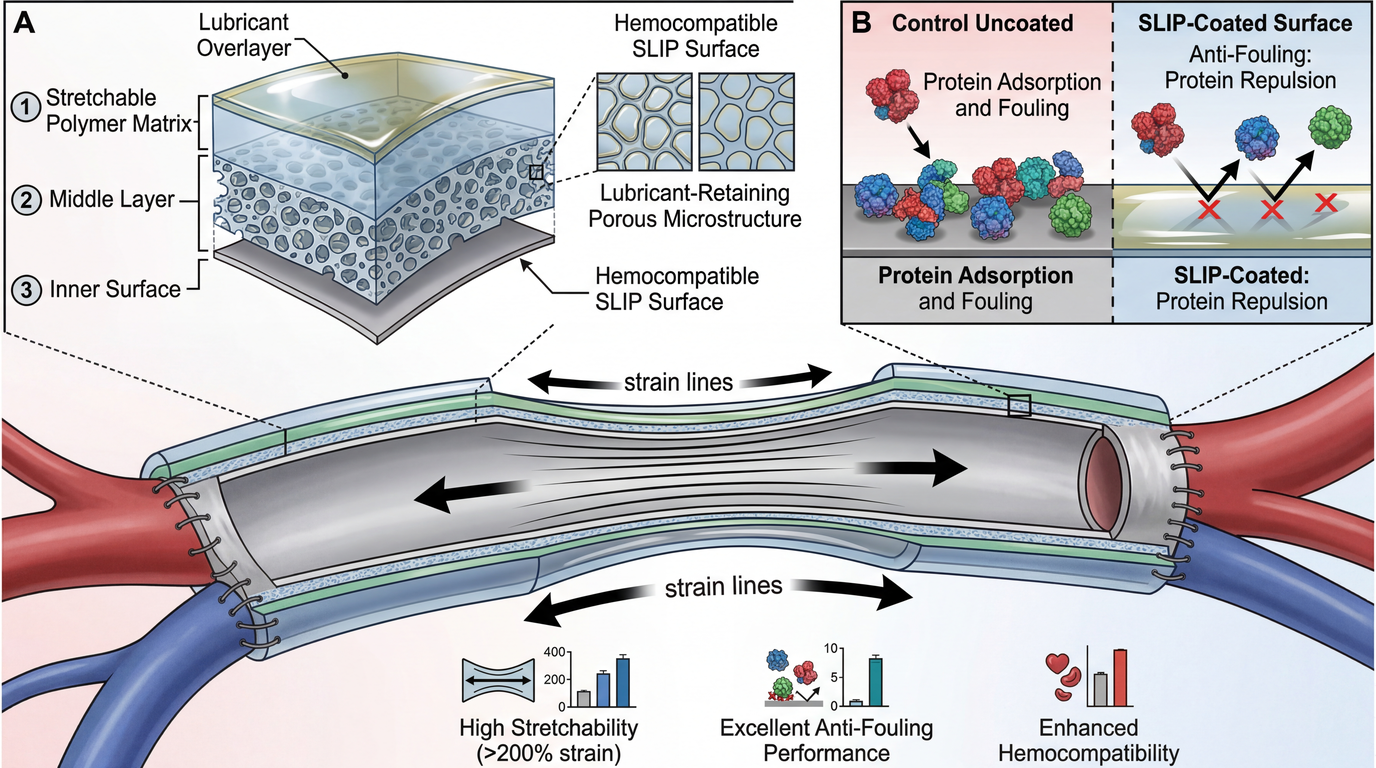
Lubricant-Infused Polymeric Interfaces: Stretchable Anti-Fouling for Implants

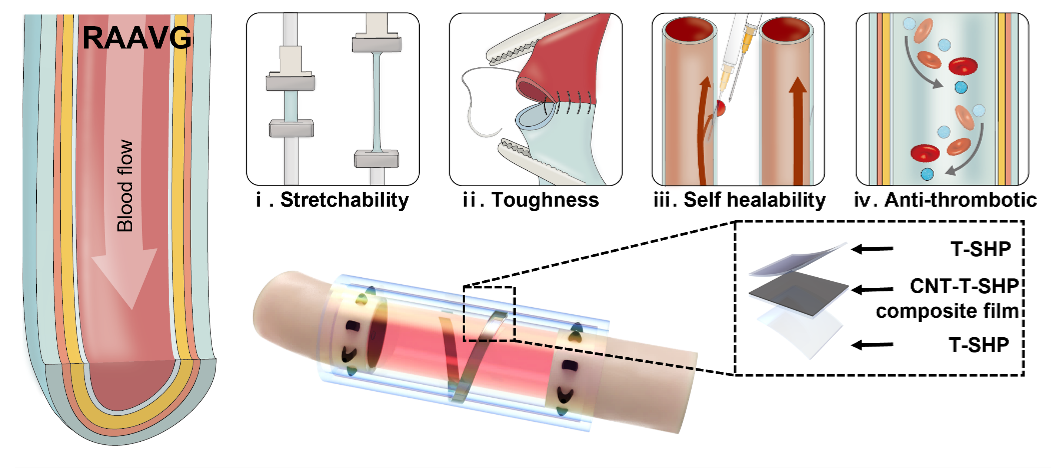
A stretchable lubricant-infused polymeric interface (SLIP) ensures long-term antifouling performance for implantable biomaterials, suppressing nonspecific protein adsorption while maintaining stretchability to extend vascular graft longevity.
Anti-fouling Lubricant-infused polymer Vascular grafts
Advanced Functional Materials, 34, 2312740 (2024) · IF 19.0
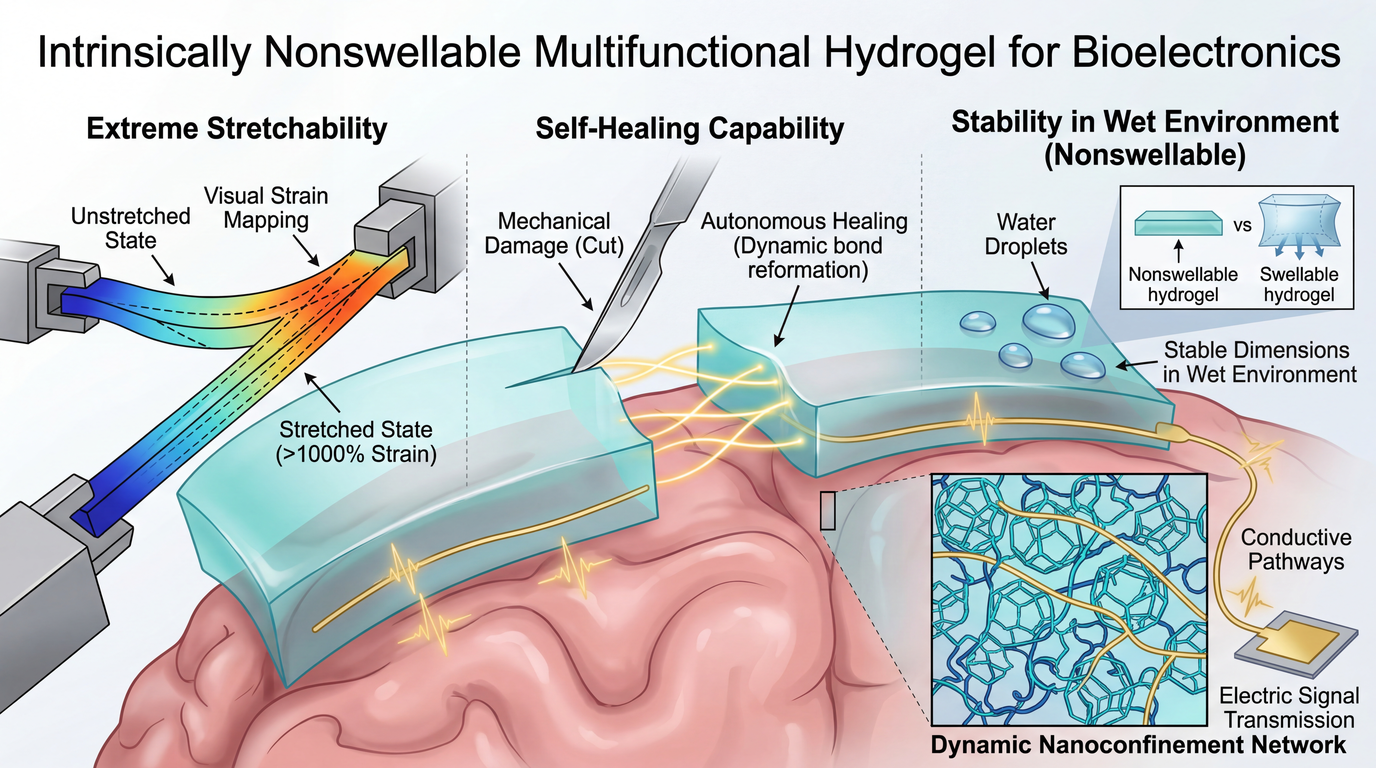
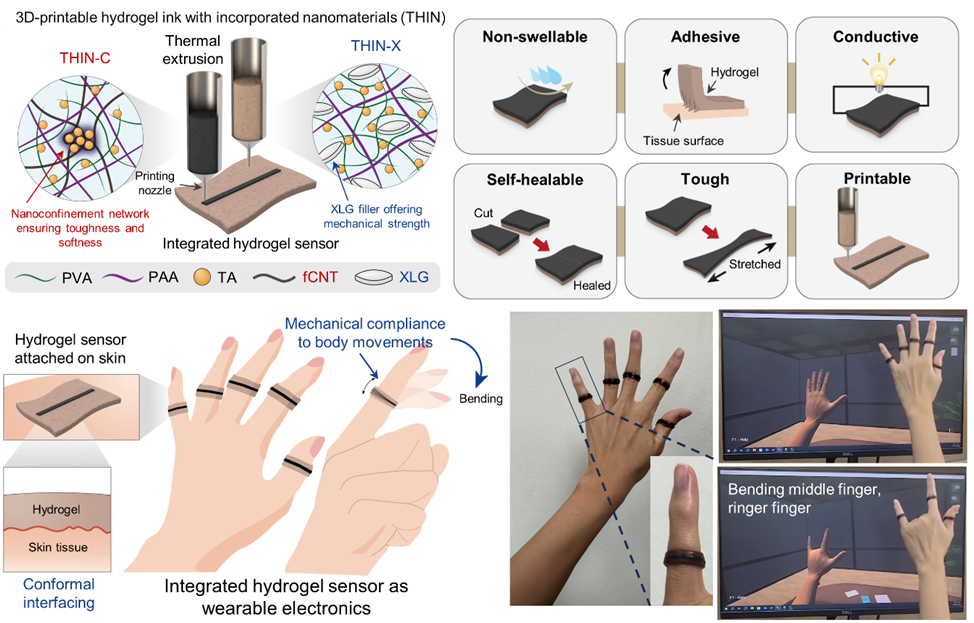
Intrinsically Nonswellable Multifunctional Hydrogel
#Soft Bioelectrode

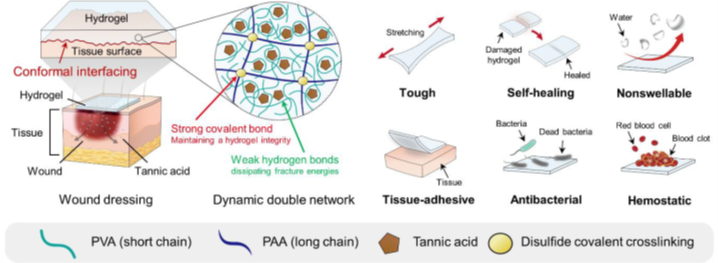
Intrinsically Nonswellable Multifunctional Hydrogel with Dynamic Nanoconfinement Networks for Robust Tissue-Adaptable Bioelectronics

Dynamic nanoconfinement networks enable an intrinsically nonswellable multifunctional hydrogel that functions as a stable soft bioelectrode in wet tissue environments, achieving >1000% stretchability and self-healing within 5 minutes.
Non-swellable hydrogel Self-healing Tissue-adaptable
Advanced Science, 10, 2207237 (2023) · IF 14.1

Publications

93+ publications · 6,300+ citations · h-index 36
Team

Meet our researchers

Brain circuit illustration

Where Semiconductor Technology
Meets Bioelectronics

We bridge the gap between high-performance semiconductor systems and the human body — integrating IC packaging, stretchable interconnects, and advanced materials engineering to build bioelectronic devices that deliver clinical-grade precision in real-world biological environments.

News + Updates

Latest research highlights and lab announcements

Bio-electronics concept

Shape the Future
of Bioelectronics

We are always looking for passionate researchers who want to push the boundaries of soft bioelectronics.
Contact PI →

Contact

Get in Touch

Address
Engineering Building III
Yonsei University, Seoul 03722, Korea
Email
jungmok.seo@yonsei.ac.kr
Phone
+82-2-2123-2868
Department
Department of Electrical and Electronic Engineering, Yonsei University